

TL;DR:
- Rashes are irritated skin areas caused by allergens, infections, or irritants, and are common reasons for medical visits.
- Proper identification and removal of triggers like allergens or infections are crucial for effective treatment and faster healing.
A rash is an area of irritated skin marked by redness, itching, swelling, or blistering, triggered by allergens, infections, irritants, or underlying health conditions. Rashes are among the most common reasons people seek medical care. Contact dermatitis alone accounts for 90–95% of occupational skin disease cases in the US, which shows just how widespread skin irritation really is. Understanding what type of skin reaction you have, what caused it, and how to treat it correctly makes the difference between fast relief and weeks of unnecessary discomfort.
What are the most common types of rashes?
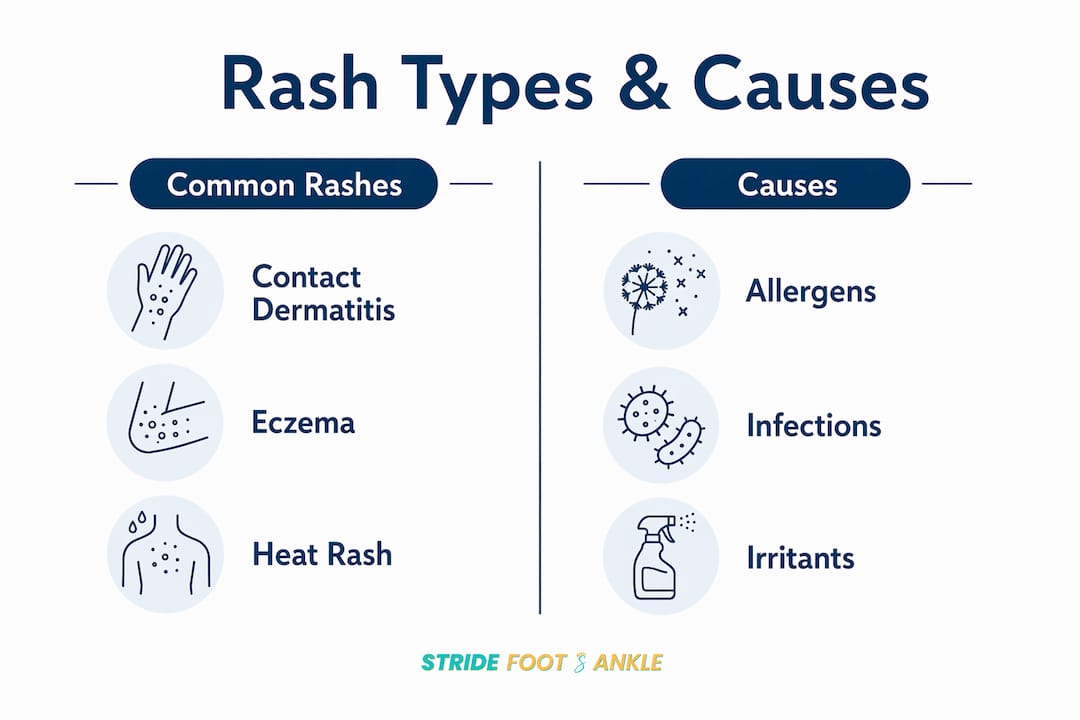
The most common types of rashes include contact dermatitis, eczema (atopic dermatitis), heat rash, fungal infections, psoriasis, drug rashes, and intertrigo. Each has a distinct appearance, set of triggers, and preferred treatment. Recognizing which type you have is the first step toward effective care.
Contact dermatitis

Contact dermatitis is the most frequently diagnosed itchy skin condition in clinical practice. It comes in two forms. Irritant contact dermatitis causes direct chemical or physical damage to the skin barrier, while allergic contact dermatitis involves an immune system reaction to a specific substance. Irritant reactions appear quickly after exposure. Allergic reactions can take 24–72 hours to develop and often produce more intense itching and swelling.
Eczema (atopic dermatitis)
Eczema produces dry, scaly, intensely itchy patches that flare and remit over time. It most commonly appears on the inner elbows, behind the knees, and on the face and hands. Triggers include stress, sweat, certain fabrics, and low humidity. Patients with eczema have a structurally weakened skin barrier, which makes them more reactive to everyday irritants.
Other common skin reactions
Common types of rashes also include heat rash, fungal infections, psoriasis, drug rashes, and intertrigo, each with distinct features and treatments. The table below summarizes the key differences.
| Rash type | Primary cause | Typical symptoms | First-line treatment |
|---|---|---|---|
| Irritant contact dermatitis | Chemical or physical skin damage | Redness, burning, dry skin | Remove irritant, barrier cream |
| Allergic contact dermatitis | Immune reaction to allergen | Intense itch, blisters, swelling | Avoid allergen, topical steroid |
| Eczema (atopic dermatitis) | Skin barrier dysfunction | Dry, scaly, itchy patches | Moisturizer with ceramides, steroid cream |
| Heat rash | Trapped sweat in heat or humidity | Small red bumps, prickling | Cool skin, loose clothing |
| Fungal infection | Dermatophyte or yeast overgrowth | Ring-shaped, scaly, itchy | Antifungal cream |
| Psoriasis | Immune-mediated overproduction of skin cells | Thick, silvery plaques | Topical steroids, phototherapy |
| Drug rash | Medication reaction | Widespread red spots or hives | Stop medication, medical evaluation |
| Intertrigo | Skin-on-skin friction in moist areas | Red, raw, weeping skin folds | Keep area dry, antifungal if needed |
Pro Tip: If your rash appears in a perfect geometric pattern or only where clothing contacts skin, suspect an irritant or allergic reaction rather than an infection.
What causes rashes and what triggers should you watch for?
Rashes develop when the skin barrier breaks down or when the immune system reacts to a foreign substance. A compromised skin barrier increases susceptibility to irritants, allergens, and infections, creating a cycle that is hard to break without addressing the root cause. Triggers fall into several clear categories.
Allergens and irritants are the most common culprits in everyday skin irritation:
- Soaps, detergents, and cleaning products with harsh surfactants
- Fragrances in lotions, laundry products, and personal care items
- Latex gloves, rubber, and certain metals like nickel
- Poison ivy, poison oak, and other plant resins
- Adhesives in bandages or medical tape
Infections produce rashes through a different mechanism. Bacterial infections like impetigo create crusted, honey-colored sores. Viral infections like chickenpox or shingles produce blistering eruptions that follow nerve pathways. Fungal infections thrive in warm, moist environments, which is why the feet, groin, and skin folds are frequent targets. Wearing footwear that promotes airflow reduces the moisture buildup that feeds fungal growth.
Medications are an underappreciated trigger. Drug-induced rashes typically appear within weeks of starting a new medication and require prompt evaluation to rule out serious reactions like Stevens-Johnson syndrome. Antibiotics, NSAIDs, and certain blood pressure drugs are frequent offenders.
Environmental factors compound the problem. Heat and humidity trap sweat under the skin, causing heat rash. Dry desert climates, like Las Vegas, strip moisture from the skin and weaken its protective barrier. Tight or synthetic fabrics create friction and trap heat, worsening any existing irritation.
The key principle is cumulative exposure. A single brief contact with a mild irritant may cause no reaction. Repeated daily contact with the same substance, even at low concentrations, eventually overwhelms the skin’s defenses and produces a rash. This is why many people develop reactions to products they have used for years without any problem.
How are rashes diagnosed and when should you see a doctor?
A rash is diagnosed primarily through visual examination, patient history, and, when needed, patch testing. Patch testing is the gold standard for distinguishing allergic from irritant reactions, guiding both treatment and avoidance strategies. Most mild rashes can be managed at home, but certain signs demand immediate medical attention.
Seek care right away if you notice any of the following:
- Fever accompanying the rash, which suggests a systemic infection
- Rapid spreading of the rash across large areas of the body
- Blistering, open sores, or skin that peels in sheets
- Rash involving the eyes, mouth, or genital areas
- Severe pain rather than itching as the dominant symptom
- Difficulty breathing or swallowing alongside the skin reaction
These warning signs indicate potentially serious conditions such as anaphylaxis, cellulitis, or toxic epidermal necrolysis, all of which require emergency care. A rash that spreads rapidly after starting a new medication is a red flag that warrants a call to your prescribing physician the same day.
For less urgent cases, a dermatologist or podiatrist can perform a visual exam and take a detailed history of product exposures, recent illnesses, and new medications. Patch testing applies small amounts of common allergens to the skin under adhesive patches for 48 hours, then reads the results at 96 hours. This process identifies the specific substance driving an allergic reaction, which prevents years of unnecessary avoidance or repeated exposure.
Pro Tip: Photograph your rash daily from the same distance and lighting. A visual timeline helps your doctor assess whether the rash is spreading, resolving, or changing character, which is far more useful than a verbal description alone.
Differential diagnosis matters because treating the wrong type of rash causes harm. Applying an antifungal cream to eczema does nothing. Using a topical steroid on a fungal infection can suppress the immune response and allow the fungus to spread aggressively, a condition called tinea incognito. Getting the diagnosis right before starting treatment saves time, money, and skin.
What treatment options and home remedies effectively relieve rashes?
Effective rash treatment starts with removing the trigger and repairing the skin barrier. Dermatologists recommend avoiding triggers, using barrier-repair moisturizers with ceramides, gentle cleansing, and topical steroid creams during flare-ups. Over-the-counter options handle most mild to moderate reactions well.
Over-the-counter rash treatment options include:
- Hydrocortisone 1% cream for reducing inflammation in mild allergic or irritant reactions
- Oral antihistamines like diphenhydramine (Benadryl) or cetirizine (Zyrtec) for itch relief
- Ceramide-containing moisturizers such as CeraVe or Vanicream to rebuild the skin barrier
- Antifungal creams containing clotrimazole or miconazole for confirmed fungal infections
- Calamine lotion for poison ivy reactions and mild itching
Prescription treatments become necessary when over-the-counter options fail. A dermatologist may prescribe stronger topical steroids, tacrolimus ointment for eczema, or oral antifungals for widespread fungal infections. Systemic allergic reactions require oral corticosteroids.
Home remedies like cool compresses, loose clothing, and fragrance-free moisturizers soothe irritated skin without risking further damage. The following dos and don’ts give you a clear framework for self-care.
Do:
- Apply a cool, damp cloth to the rash for 10–15 minutes to reduce heat and itching
- Wear loose, breathable cotton clothing over the affected area
- Use fragrance-free, dye-free products on irritated skin
- Pat skin dry gently after bathing rather than rubbing
- Keep nails short to minimize skin damage from scratching
Don’t:
- Scratch aggressively, which breaks the skin and invites bacterial infection
- Apply multiple new products at once, since you won’t know which one helps or harms
- Use hot water on irritated skin, which strips natural oils and worsens dryness
- Cover a weeping or blistered rash with tight bandages that trap moisture
- Self-treat with prescription-strength steroids without medical guidance
Pro Tip: For rashes on the feet or between the toes, keep the area as dry as possible between treatments. Moisture is the primary factor that prevents healing in those locations. Change socks twice daily if needed and use moisture-wicking materials.
For rashes affecting the feet and ankles specifically, the foot home care guide from Stridefootankle covers skin care strategies tailored to the unique demands of that region, including the dry heat conditions common in Las Vegas.
Key Takeaways
Identifying the correct rash type and trigger is the single most important step in treatment, because the wrong approach delays healing and can make the condition worse.
| Point | Details |
|---|---|
| Skin barrier is the foundation | A compromised barrier drives most rashes; restoring it with ceramide moisturizers is the core treatment step. |
| Trigger identification matters | Contact dermatitis, the most common occupational skin disease, resolves only when the specific irritant or allergen is removed. |
| Patch testing guides diagnosis | Patch testing distinguishes allergic from irritant reactions, preventing mistreatment and unnecessary product avoidance. |
| Warning signs require urgent care | Fever, rapid spreading, blistering, or rash near the eyes or mouth signals a potentially serious condition needing same-day evaluation. |
| Home care has clear limits | Cool compresses and fragrance-free moisturizers help mild rashes, but prescription treatment is needed when over-the-counter options fail within 1–2 weeks. |
What I’ve learned about rashes that most articles get wrong
Most rash advice focuses on what to apply. The more useful question is what to stop doing. In my experience, patients who clear their rashes fastest are the ones who strip their routine down to the bare minimum: one gentle cleanser, one fragrance-free moisturizer, and nothing else until the skin stabilizes. Adding products during a flare, even products marketed as “soothing,” frequently prolongs the reaction.
The second misconception I see constantly is that a rash that looks mild is safe to treat casually. Drug rashes are the clearest example. A widespread red rash that appears two weeks after starting a new antibiotic can look like a simple allergic reaction. It can also be the early stage of a severe systemic reaction. The appearance alone does not tell you which one you are dealing with. That distinction requires a physician.
The third issue is the foot and ankle region specifically. Rashes in skin folds, between the toes, and around the ankle are routinely undertreated because patients assume they are minor. Intertrigo in the foot’s web spaces, for example, creates a warm, moist environment that rapidly becomes colonized by bacteria or fungi. What starts as mild redness can progress to open, painful skin within days if not addressed correctly. The connection between skin irritation and foot swelling is also worth understanding, since swelling changes the skin’s mechanical properties and makes it more vulnerable to breakdown.
My practical advice: if a rash on your foot or ankle has not improved within one week of basic home care, get it evaluated. Early intervention is almost always faster and less expensive than treating a secondary infection.
— Ramil
Foot and ankle rash care at Stridefootankle
Rashes on the feet and ankles present unique challenges. The skin in that region faces constant pressure, friction, moisture, and in Las Vegas, extreme heat. These factors accelerate skin breakdown and complicate healing.

Stridefootankle, led by Dr. Nahad Wassel, provides general foot and ankle care that includes evaluation and treatment of skin conditions affecting the lower extremities. Whether you are dealing with a persistent fungal infection, an irritant reaction from footwear, or a rash that has not responded to home treatment, Dr. Wassel’s team offers a clear diagnosis and a treatment plan built around your specific situation. Patients in Las Vegas can request an appointment online and receive personalized, evidence-based care without delay. You deserve answers, not guesswork.
FAQ
What is the most common type of rash in adults?
Contact dermatitis is the most common skin rash in adults, accounting for 90–95% of occupational skin disease cases in the US. It results from direct skin contact with irritants or allergens.
How do I know if my rash needs a doctor?
Seek medical care if your rash is accompanied by fever, spreads rapidly, blisters, causes pain rather than itching, or involves the eyes, mouth, or genitals. These signs indicate a potentially serious condition.
Can rashes on the feet be a sign of something serious?
Yes. Rashes on the feet can indicate fungal infections, contact dermatitis from footwear materials, or systemic conditions like psoriasis. A rash that does not improve within one week of home care warrants professional evaluation, especially if it is spreading or painful.
What is the fastest way to soothe a rash at home?
Apply a cool, damp compress for 10–15 minutes, switch to fragrance-free products, and use a ceramide-based moisturizer. Avoid scratching, hot water, and adding new products until the skin stabilizes.
What is patch testing and when is it used?
Patch testing is the clinical gold standard for identifying the specific allergen causing an allergic contact dermatitis reaction. A dermatologist applies small amounts of common allergens to the skin for 48 hours and reads results at 96 hours to guide treatment and avoidance.
Recommended
- Warts: Causes, Types, Treatment, and Prevention – Stride Foot & Ankle – Dr. Nahad Wassel
- Dermatology Issues: Top 10 Skin Conditions Explained – Stride Foot & Ankle – Dr. Nahad Wassel
- Animal Bites: Causes, Treatment, and Prevention Guide – Stride Foot & Ankle – Dr. Nahad Wassel
- Cysts Explained: Symptoms, Types, and Treatment Options – Stride Foot & Ankle – Dr. Nahad Wassel
Recent Comments