

TL;DR:
- Improving foot circulation involves daily habits like exercise, hydration, and proper footwear to enhance blood flow. Managing underlying conditions such as diabetes and hypertension is crucial for long-term vascular health. Persistent symptoms warrant professional evaluation to address potential underlying disorders.
Poor foot circulation is defined as reduced blood flow to the feet, causing symptoms like coldness, numbness, tingling, swelling, and slow wound healing. Knowing how to improve foot circulation matters because healthy blood flow delivers oxygen and nutrients to foot tissues, supports nerve function, and prevents serious complications like ulcers. The good news is that targeted daily habits, exercises, and dietary choices produce real, measurable results.
What lifestyle habits actually improve foot blood flow?
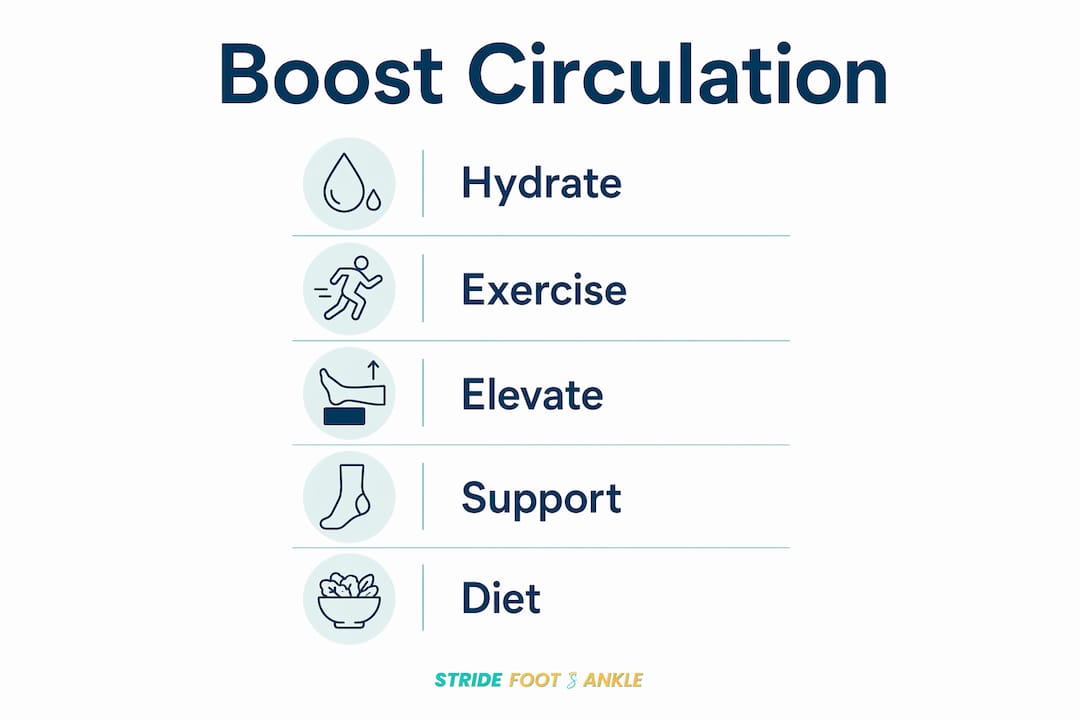
The most effective daily habits for improving foot blood flow are moderate exercise, proper hydration, foot elevation, smoking cessation, and managing underlying conditions like diabetes or hypertension. These changes work together to keep blood vessels flexible, blood viscosity low, and venous return efficient. Each habit addresses a different part of the circulatory chain.
Exercise: the foundation of better circulation
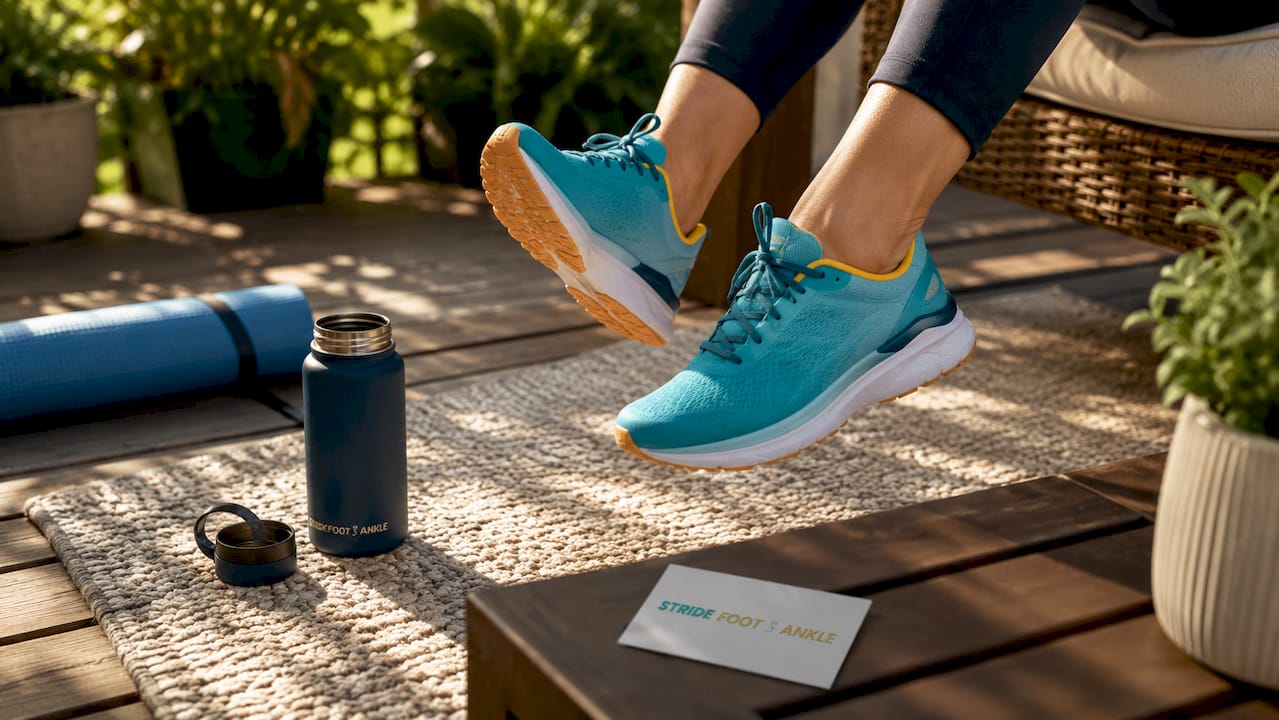
Moderate exercise for 20–30 minutes daily is the single most reliable way to stimulate blood flow throughout your legs and feet. Walking, swimming, and cycling all qualify. The goal is raising your heart rate enough to feel warm but still hold a conversation. Adults should target 150 minutes of this type of activity each week.
Hydration and blood viscosity
Thick blood moves slowly and strains your vessels. Drinking half your body weight in ounces of water daily keeps blood fluid and circulation efficient. A 150-pound person needs roughly 75 ounces of water per day. That translates to about nine standard glasses, spread across the day rather than consumed all at once.
Elevation and venous return
Elevating your feet above heart level for 15–20 minutes daily uses gravity to pull pooled blood back toward the heart. This reduces swelling and relieves pressure in the lower limb veins. Doing this after long periods of sitting or standing makes the biggest difference. A rolled blanket or firm pillow under your calves works well at home.
Smoking and systemic conditions
Smoking directly damages blood vessel walls, narrowing the arteries that supply your feet. Podiatry experts rank smoking cessation as the top lifestyle change for vascular health. Beyond smoking, poor foot circulation often signals underlying conditions like diabetes or hypertension. Managing those conditions with your physician is not optional. It is the foundation on which every other strategy rests.
- Keep blood sugar within your physician’s target range if you have diabetes
- Monitor blood pressure regularly and follow prescribed treatment plans
- Limit alcohol, which dilates vessels temporarily but impairs circulation long term
- Wear warm socks in cold environments to prevent vessel constriction
Pro Tip: Set a phone reminder every hour during your workday to stand up, walk for two minutes, and flex your ankles. This simple habit prevents blood from pooling in your lower legs.
Which exercises specifically boost foot circulation?
Targeted foot and ankle exercises stimulate the calf muscle pump, the body’s primary mechanism for pushing blood from the feet back up to the heart. Ankle pumps, toe curls, seated marches, calf raises, and towel stretches each activate different muscle groups and improve venous return. These gentle movements reduce numbness and support nerve health, making them especially valuable for patients with diabetic neuropathy.
Step-by-step exercises for better blood flow
Ankle pumps. Sit in a chair with feet flat on the floor. Flex your foot upward, pulling toes toward your shin, then point it downward. Repeat 20 times per foot. This directly activates the calf muscle pump and is safe for nearly all fitness levels.
Toe curls. Sit barefoot and place a small towel flat on the floor. Use your toes to scrunch and pull the towel toward you. Do 3 sets of 10 repetitions. This strengthens the intrinsic foot muscles and promotes local blood flow.
Seated marches. Sit upright in a chair and alternate lifting each knee as if marching in place. Aim for 30 repetitions per leg. This activates the large thigh and hip muscles, which drive significant blood movement through the lower limbs.
Calf raises. Stand behind a chair and hold the back for balance. Rise onto your toes slowly, hold for two seconds, then lower. Do 3 sets of 15. Calf raises are the most direct way to engage the calf muscle pump and push venous blood upward.
Towel stretch. Sit on the floor with legs extended. Loop a towel around the ball of one foot and gently pull it toward you, keeping your knee straight. Hold for 30 seconds per foot. This stretches the plantar fascia and calf, improving flexibility and blood flow through the posterior leg.
Consistency matters more than intensity, especially for older adults or those with neuropathy. Short sessions done daily outperform long sessions done occasionally. Start with one or two exercises and add more as your comfort grows.
Pro Tip: Do ankle pumps and toe curls while watching television or sitting at your desk. You do not need a dedicated workout session. Micro-movements throughout the day maintain circulation more effectively than sporadic intense workouts.
How do supportive footwear and compression gear help?
Proper footwear and compression socks are two of the most underused tools for improving blood flow in feet. Shoes that fit well and provide cushioning prevent constriction of the small blood vessels in the foot. Compression socks apply graduated pressure that actively assists venous return from the ankle upward.
Choosing the right shoes
Shoes that support circulation share three features: a wide toe box that does not compress the forefoot, adequate cushioning under the heel and ball of the foot, and flexible soles that allow natural foot movement. Tight shoes restrict blood flow the same way a tourniquet does, just more slowly. Patients with swelling related to circulation issues should be fitted for shoes later in the day, when feet are at their largest.
Compression socks: pressure levels and safety
Compression sock pressure must be matched to your condition and ideally confirmed by a clinician. Using the wrong grade can restrict arterial flow rather than support venous return.
| Pressure level | mmHg range | Best suited for |
|---|---|---|
| Mild support | 15–20 mmHg | Minor swelling, long travel, desk jobs |
| Moderate support | 20–30 mmHg | Moderate venous insufficiency, post-exercise recovery |
| Medical grade | 30+ mmHg | Prescribed by physician for severe conditions only |
Key points for safe compression sock use:
- Put them on in the morning before getting out of bed, when swelling is lowest
- Remove them before sleeping unless a physician instructs otherwise
- Inspect your skin daily for redness, indentations, or pressure sores
- Replace socks every 3–6 months, as elasticity degrades with washing
Warm socks and warm foot soaks also dilate surface blood vessels and improve local circulation. Patients with neuropathy must use heat sources cautiously because reduced sensation makes it easy to sustain burns without noticing. Always test water temperature with your elbow or a thermometer before soaking.
What foods and drinks enhance circulation in your feet?
Diet directly affects blood vessel health and blood viscosity. Foods rich in omega-3 fatty acids, antioxidants, and anti-inflammatory spices support the arterial walls that carry blood to your feet. Dehydration thickens the blood and forces the heart to work harder to push it through small vessels. Both problems are addressable through consistent, practical food choices.
Circulation-supporting foods to add to your plate
- Fatty fish. Salmon, mackerel, and sardines provide omega-3 fatty acids that reduce inflammation in vessel walls. Aim for 3–4 oz portions two to three times a week.
- Leafy greens. Spinach, kale, and arugula are high in nitrates, which the body converts to nitric oxide. Nitric oxide relaxes blood vessels and improves flow.
- Citrus fruits and berries. Oranges, grapefruits, blueberries, and strawberries deliver antioxidants that protect vessel walls from oxidative damage.
- Nuts and seeds. Walnuts and flaxseeds provide plant-based omega-3s and vitamin E, both of which support vascular flexibility.
- Ginger and turmeric. These spices contain compounds that reduce platelet clumping and improve blood fluidity. Add them to teas, soups, or smoothies.
Making hydration sustainable
Hydration is not just about water volume. It is about consistency. Carrying a marked water bottle, adding lemon or cucumber for flavor, and drinking a glass before each meal are practical ways to hit your daily target without tracking every ounce. Caffeinated drinks count toward fluid intake but should not replace plain water entirely, as caffeine has a mild diuretic effect at high doses.
Patients managing foot health alongside chronic conditions can find additional guidance on foot care routines for pain relief that complement dietary changes. For patients concerned about foot comfort and pressure points, resources on preventing foot pressure sores offer practical orthopedic perspectives as well.
Key Takeaways
Improving foot circulation requires a combination of daily movement, hydration, proper footwear, and diet, with smoking cessation delivering the single most impactful vascular benefit.
| Point | Details |
|---|---|
| Exercise daily | Aim for 20–30 minutes of moderate activity and add micro-movements like ankle pumps throughout the day. |
| Hydrate consistently | Drink roughly half your body weight in ounces of water daily to keep blood fluid and circulation efficient. |
| Use compression correctly | Match compression sock pressure (15–20 mmHg or 20–30 mmHg) to your condition and confirm with a clinician. |
| Eat for vascular health | Prioritize fatty fish, leafy greens, citrus, and anti-inflammatory spices like ginger and turmeric. |
| Address root causes | Manage diabetes, hypertension, and smoking to treat the systemic drivers of poor foot circulation. |
What I’ve learned about foot circulation after years in the clinic
Most patients arrive expecting a single fix. They want one exercise, one supplement, or one product that will solve the problem. That is not how circulation works, and telling patients otherwise does them a disservice.
What I have seen work, consistently, is the daily ritual approach. Patients who treat circulation care the way they treat brushing their teeth, as a non-negotiable daily habit rather than a response to symptoms, see sustained improvement. Those who only act when their feet feel numb or cold are always playing catch-up.
The other pattern I notice is that people underestimate the impact of footwear. A patient can do every exercise on this list and still have restricted circulation if their shoes are compressing the forefoot for eight hours a day. Fit matters as much as function. If your shoes leave marks on your skin when you take them off, they are too tight.
Finally, I want to be direct about one thing: if your symptoms are persistent, worsening, or accompanied by skin color changes, non-healing wounds, or pain at rest, those are not lifestyle problems. They are clinical signals. Seeking a professional evaluation at that point is not an overreaction. It is the right call. The general foot and ankle care resources at Stridefootankle are a good starting point for understanding when home care is enough and when it is not.
— Ramil
Foot care support from Stridefootankle
Persistent or worsening circulation symptoms deserve a professional evaluation, not just a new exercise routine. Stridefootankle, led by board-certified podiatrist Dr. Nahad Wassel, provides personalized assessments for patients in Las Vegas experiencing foot circulation concerns.
Dr. Wassel uses non-invasive diagnostics, including Doppler ultrasound, to assess blood flow and identify underlying vascular or structural issues. From there, treatment plans are tailored to each patient’s health history, activity level, and goals. Whether you need conservative care or a more targeted intervention, the team at Stridefootankle builds a plan around you. Schedule your consultation through the general foot and ankle care page and take a confident step toward healthier feet.
FAQ
What are the first signs of poor foot circulation?
The earliest signs include persistent coldness in the feet, tingling or numbness, and skin that appears pale or bluish. Slow-healing cuts or sores on the feet are also a common early indicator.
How long does it take to improve foot circulation?
Most patients notice improvement in symptoms within two to four weeks of consistent daily exercise and hydration. Significant vascular changes take longer and depend on whether underlying conditions like diabetes are also being managed.
Are compression socks safe for everyone?
Compression socks are not safe for everyone without medical guidance. Patients with arterial insufficiency or certain skin conditions should have compression levels confirmed by a clinician before use, as incorrect pressure can worsen blood flow.
Can diet alone improve circulation in my feet?
Diet supports vascular health but does not replace physical activity or medical treatment. Omega-3-rich foods, leafy greens, and adequate hydration reduce blood viscosity and inflammation, which together improve circulation over time.
When should I see a podiatrist about foot circulation?
See a podiatrist if you have non-healing wounds, rest pain, significant skin color changes, or symptoms that do not improve after four to six weeks of lifestyle changes. These signs may indicate peripheral arterial disease or another condition requiring clinical care.
Recommended
- How to prevent foot injuries: expert strategies for healthy feet – Stride Foot & Ankle – Dr. Nahad Wassel
- How to Prevent Foot Ulcers: a Guide for At-Risk Patients – Stride Foot & Ankle – Dr. Nahad Wassel
- Why foot care matters: prevent pain, injuries, and complications – Stride Foot & Ankle – Dr. Nahad Wassel
- Step-by-step foot care routines for pain relief – Stride Foot & Ankle – Dr. Nahad Wassel
Recent Comments