

TL;DR:
- Most foot injuries for active Las Vegans result from improper footwear, overuse, and heat-related stresses. Daily foot hygiene, proper shoe choices, and targeted exercises can effectively prevent common problems like blisters, plantar fasciitis, and sprains. Promptly consulting a podiatrist is essential when pain or symptoms persist to maintain long-term foot health.
Foot pain has a way of stopping you in your tracks, literally. Whether you’re walking the Strip, heading to work, or chasing your kids around the neighborhood, aching feet can turn every step into a struggle. Las Vegas residents face a unique combination of hot pavement, long walking distances, and an active lifestyle that puts serious demands on their feet. The good news is that most foot injuries are preventable. This guide gives you practical, expert-backed strategies to protect your feet before problems start and keep you moving comfortably year-round.
Table of Contents
- Understand common causes of foot injuries
- Daily foot hygiene and care habits
- Choose the right footwear for every activity
- Integrate proven exercises and preventive programs
- Warning signs and when to consult a podiatrist
- The uncomfortable truth about foot injury prevention
- Expert help and next steps for foot health
- Frequently asked questions
Key Takeaways
| Point | Details |
|---|---|
| Daily hygiene matters | Washing, drying, and moisturizing your feet every day helps prevent infections and injuries. |
| Footwear is prevention | The right shoes for each activity can lower your risk of sprains, blisters, and chronic pain. |
| Exercise builds resilience | Simple exercises and preventive routines strengthen feet and reduce future injuries. |
| Know when to get help | Seek expert care for any persistent problems to avoid complications and recover faster. |
Understand common causes of foot injuries
Let’s start by looking at why foot injuries are so common, especially for active Las Vegans.
Most people don’t think about their feet until something goes wrong. But 3 out of 4 Americans will experience significant foot problems at some point in their lives. That’s a striking number, and it reflects how much daily stress our feet absorb without us noticing.
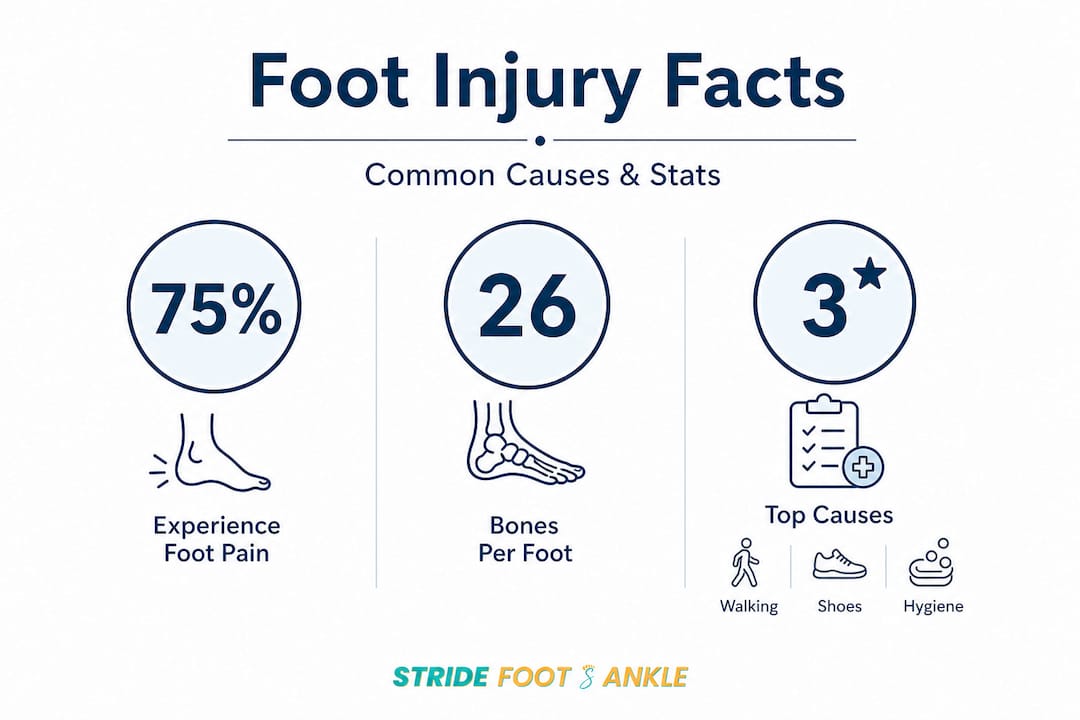
In Las Vegas, the risks are amplified. Concrete and asphalt surfaces dominate the city, and summer temperatures regularly push pavement temperatures well above 150°F. Add long shifts on hard floors, frequent walking on the Strip, and popular outdoor activities like hiking Red Rock Canyon, and you have a recipe for overuse injuries, blisters, and stress fractures.
The most common causes of foot injuries include:
- Improper footwear: Shoes that don’t match your foot shape or activity level are the leading cause of blisters, bunions, and plantar fasciitis (inflammation of the tissue along the bottom of your foot).
- Overuse: Repetitive stress from running, walking, or standing for long hours without adequate rest breaks down tissue over time.
- Sudden increases in activity: Jumping into a new workout routine too fast gives your feet no time to adapt.
- Hot urban environments: Heat softens the fat pads in your feet and increases swelling, making you more vulnerable to injury.
- Neglected foot hygiene: Skin breakdown, cracks, and infections can lead to serious complications, especially for people with diabetes.
Here’s a quick look at how different Las Vegas activities compare in terms of foot injury risk:
| Activity | Primary risk | Common injury |
|---|---|---|
| Strip walking (tourism) | Long distance on hard surfaces | Blisters, plantar fasciitis |
| Hiking (Red Rock, etc.) | Uneven terrain, ankle instability | Ankle sprains, stress fractures |
| Running/jogging | Repetitive impact | Shin splints, stress fractures |
| Standing at work | Prolonged static load | Heel pain, flat foot fatigue |
| Casual daily walking | Improper footwear | Corns, calluses, bunions |
Understanding your personal risk factors is the first step toward prevention. If you want a broader overview of how foot and ankle conditions develop and what to watch for, exploring general foot and ankle care resources can help you build a solid baseline of knowledge.
Daily foot hygiene and care habits
Knowing the risks, your foundation for healthy feet starts with consistent self-care.
Good foot hygiene isn’t glamorous, but it’s one of the most powerful tools you have. Skipping it regularly leads to fungal infections, cracked heels, ingrown toenails, and open sores that can become serious quickly, especially if you have diabetes or poor circulation.
Follow these steps every day to keep your feet clean and healthy:
- Wash your feet thoroughly. Use warm water and mild soap, and scrub between every toe. Don’t just let shower water run over them.
- Dry completely. Pay special attention to the spaces between your toes. Moisture trapped there is the main cause of athlete’s foot and other fungal infections.
- Moisturize strategically. Apply a gentle lotion to the tops and bottoms of your feet to prevent cracking, but skip between the toes to avoid creating a moist environment where fungus thrives.
- Inspect your feet daily. Look for cuts, blisters, redness, swelling, or any changes in skin color or texture. Catching problems early prevents them from worsening.
- Trim toenails straight across. Cutting them in a curved shape increases the risk of ingrown toenails, which can become infected and painful.
“Wash feet daily with warm water and mild soap, dry thoroughly especially between toes, and moisturize but not between toes to prevent fungal infections.” — WebMD Diabetes Care Guidelines
Pro Tip: Keep a small bottle of foot lotion near your bed and apply it every night before sleep. Pairing it with cotton socks locks in moisture and prevents the heel cracking that’s so common in Las Vegas’s dry desert climate.
If you notice persistent itching, scaling, or discoloration between your toes or on your nails, those could be early signs of foot fungus that need attention before they spread. Similarly, rough skin growths on the soles can sometimes be plantar warts, and understanding the difference between a callus and a wart matters when it comes to treating warts on feet correctly. If you’re preparing for any upcoming foot procedure, solid daily hygiene is also a key part of pre-surgery foot care tips that help your recovery go smoothly.
Choose the right footwear for every activity
Hygiene matters, but what goes on your feet is just as critical to prevention.
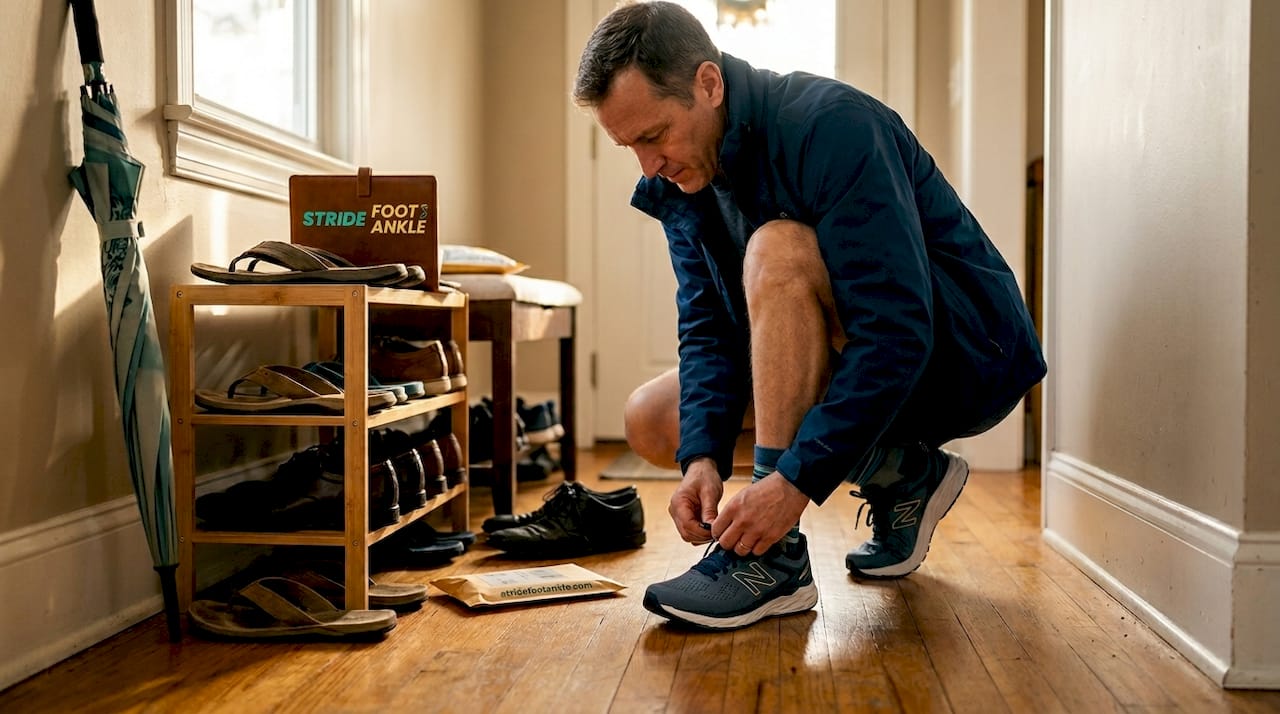
Shoes are your first line of defense against injury. The wrong pair doesn’t just cause discomfort. It can alter your gait (the way you walk), create pressure points, and set off a chain reaction of problems in your ankles, knees, and even your lower back. Research confirms that proper footwear matched to surface and activity type significantly reduces traction-related injuries including ACL tears, ankle sprains, and stress fractures.
In Las Vegas, footwear choices carry extra weight. Hot pavement degrades shoe materials faster, and the city’s mix of polished casino floors, outdoor concrete, and rugged hiking trails demands versatility.
Here’s a practical comparison to help you match footwear to your activity:
| Activity | Recommended shoe type | Key features to look for |
|---|---|---|
| Strip walking | Cushioned walking shoe | Arch support, thick sole, breathable upper |
| Trail hiking | Trail running or hiking boot | Ankle support, grippy outsole, toe protection |
| Running | Running shoe matched to gait | Motion control or neutral based on foot type |
| Gym/cross-training | Cross-trainer | Lateral support, flat sole for lifting |
| Work (standing all day) | Supportive work shoe or insert | Cushioned insole, wide toe box, low heel |
Pro Tip: Get your feet measured by a professional at least once a year. Foot size and shape change with age, weight fluctuation, and pregnancy. Many people are wearing the wrong size without knowing it, which causes problems that feel mysterious but are actually easy to fix.
A few additional footwear rules worth following:
- Replace athletic shoes every 300 to 500 miles or every six months if you’re active daily.
- Avoid wearing the same pair two days in a row. Rotating shoes lets them decompress and dry out fully.
- Break in new shoes gradually. Don’t wear brand-new footwear for a full day of walking right away.
- Choose shoes with a wide toe box if you have bunions (bony bumps at the base of the big toe) or hammertoes.
If you’re unsure what type of shoe or orthotic insert is right for your specific foot structure, choosing the right specialist can make that process much easier. A podiatrist can assess your gait and recommend solutions tailored to your needs.
Integrate proven exercises and preventive programs
With strong habits and good gear, you can add more resilience by training your feet.
Most people never think to exercise their feet directly. But your feet contain 26 bones, 33 joints, and more than 100 muscles, tendons, and ligaments. Keeping those structures strong and flexible dramatically reduces your injury risk.
The evidence is compelling. Structured ankle prevention programs in NCAA basketball reduced ankle sprains by 42%, dropping from 5.5 to just 3.2 sprains per 1,000 athletic exposures. That kind of reduction doesn’t come from expensive equipment or complex procedures. It comes from consistent, targeted movement.
Here are the most effective exercises to add to your routine:
- Toe raises: Stand flat-footed, then rise onto your toes and hold for two seconds. Lower slowly. Repeat 15 to 20 times. This strengthens your calf muscles and the arch of your foot.
- Ankle circles: Sit or lie down, lift one foot, and rotate your ankle in slow circles. Do 10 rotations in each direction per foot. This improves joint mobility and reduces stiffness.
- Towel scrunches: Place a small towel on the floor and use your toes to scrunch it toward you. This targets the intrinsic muscles (small muscles inside the foot) that support your arch.
- Single-leg balance: Stand on one foot for 30 seconds, then switch. Progress to closing your eyes or standing on a folded towel for added challenge. Balance training is one of the most effective ways to prevent ankle sprains.
- Plantar fascia stretch: Before getting out of bed in the morning, pull your toes back gently toward your shin and hold for 30 seconds. This is especially helpful for preventing plantar fasciitis.
Consistency matters far more than intensity here. Doing five minutes of foot exercises every morning beats an occasional hour-long session. Think of it like brushing your teeth. Short, daily, and non-negotiable.
Harvard Health notes that prevention is always superior to treatment, and that conservative approaches like stretching and orthotics should be the first line of care before considering advanced interventions like shockwave therapy for chronic conditions. If you want to explore what conservative care looks like in practice, conservative foot care tips offer a helpful starting point. And for those cases where conservative care hasn’t been enough, understanding minimally invasive foot surgery options can help you make informed decisions with your doctor.
Warning signs and when to consult a podiatrist
Even with all these strategies, you need to know when to call in an expert.
Self-care is powerful, but it has limits. Waiting too long to seek professional help is one of the most common mistakes people make with foot problems. A minor issue that’s caught early, like a stress fracture or a developing bunion, can often be managed conservatively. Left untreated, those same conditions can require surgery and months of recovery.
Watch for these warning signs and act promptly if you notice them:
- Pain that lasts more than a week without improvement, even with rest and over-the-counter remedies.
- Swelling, redness, or warmth in any part of your foot or ankle, which can signal infection or inflammation.
- Numbness or tingling, particularly if you have diabetes, as these can indicate nerve damage.
- Wounds or sores that won’t heal, especially on the bottom of your foot.
- Changes in skin or nail color, including yellowing, darkening, or unusual texture.
- Difficulty walking or bearing weight that comes on suddenly or worsens over time.
“Prevention is always better than treatment, but advanced therapies are available for chronic or severe cases.” — Harvard Health
Las Vegas summers add extra urgency to this list. Extreme heat increases foot swelling and speeds up skin breakdown. If you spend long hours outdoors or on your feet during summer months, check your feet more frequently and be quicker to seek care when something feels off.
When self-care isn’t enough, a podiatrist can evaluate whether you need imaging, custom orthotics, physical therapy, or other interventions. Exploring nonsurgical injury options is often the right first conversation to have. For broader guidance and updates on foot health topics, the Stride Foot & Ankle blog covers a wide range of conditions and treatments in plain language.
The uncomfortable truth about foot injury prevention
Let’s cut through the usual advice and talk about what really determines long-term foot health in Las Vegas.
Here’s what most articles won’t tell you: the biggest barrier to foot health isn’t lack of information. It’s human nature. Most people know they should wear supportive shoes, stretch regularly, and check their feet daily. They just don’t do it consistently, because it feels unnecessary when nothing hurts.
This is the prevention paradox. Healthy habits feel pointless precisely when they’re working. You don’t feel the ankle sprain you avoided or the plantar fasciitis that never developed. So the routine gets dropped, and the injury eventually arrives to remind you why it mattered.
In Las Vegas, this pattern plays out constantly. Tourists walk 15 miles in sandals and wonder why their heels are screaming by day three. Locals who stand all day in unsupportive work shoes dismiss the early aches until they’re dealing with chronic heel pain that takes months to resolve. The discomfort of prevention always feels optional right up until the moment it becomes mandatory.
What actually works long-term isn’t willpower. It’s friction reduction. Making healthy habits easier than the alternative. Keeping your foot lotion on your nightstand. Buying one extra pair of quality shoes so you always have a fresh option. Setting a two-minute alarm for your morning foot stretch. These small structural changes matter far more than motivation.
Las Vegas also demands a higher standard than most cities. The combination of heat, hard surfaces, and long walking distances means your feet are working harder than average. Applying general foot and ankle care strategies consistently, not just when something hurts, is what separates people who stay active from those who end up sidelined.
The most honest advice we can offer is this: start with one habit, not five. Pick the one that feels most doable and do it every day for two weeks. Then add another. Real prevention is built slowly, through small actions repeated consistently, not through dramatic overhauls that last a week.
Expert help and next steps for foot health
If you’re ready to take the next step, expert support is just a click away.
You now have a solid foundation: understanding your risk factors, building daily hygiene habits, choosing the right footwear, exercising your feet, and knowing when to seek professional care. But sometimes, even the most diligent self-care isn’t enough to address what’s already developed.

At Stride Foot & Ankle, Dr. Nahad Wassel and our team are here to provide personalized, compassionate care for every stage of your foot health journey. Whether you need guidance on general foot and ankle care, help identifying signs of foot fungus, or a full evaluation for persistent pain, we offer the expertise and patient-centered approach that Las Vegas residents deserve. Don’t wait for a small problem to become a serious one. Reach out today and start striding confidently again.
Frequently asked questions
How often should I replace my everyday shoes to avoid injuries?
Replace shoes every 300 to 500 miles or when you notice decreased cushioning, visible sole wear, or your feet start aching after shorter distances than usual.
Is walking barefoot at home safe for my feet?
Walking barefoot regularly increases your risk of cuts, infections, and arch strain, particularly on hard floors. If you have diabetes, the risk is significantly higher due to reduced sensation and slower wound healing.
What are early signs I should see a podiatrist for foot pain?
See a podiatrist if pain lasts more than a week, is accompanied by swelling or redness, or if you have a wound that isn’t healing. Early intervention consistently leads to faster, less complicated recovery than waiting.
How do I know if my foot hygiene routine is effective?
Healthy feet have smooth, clean skin without cracking or odor, and toenails that are clear without discoloration. If you’re washing and drying thoroughly daily and moisturizing correctly, you should see these results within a few weeks.
Recommended
- How to prepare for foot surgery: steps, recovery, and expert tips – Stride Foot & Ankle – Dr. Nahad Wassel
- General Foot & Ankle Care – Stride Foot & Ankle
- How Conservative Foot Care Relieves Pain and Prevents Surgery – Stride Foot & Ankle – Dr. Nahad Wassel
- Blog – Stride Foot & Ankle – Dr. Nahad Wassel
Recent Comments