

TL;DR:
- Most cysts are benign, asymptomatic, and measure 1 to 5 centimeters, feeling firm and movable.
- Medical evaluation is essential for rapidly growing, painful, infected, or recurring lumps to prevent complications.
A cyst is defined as a closed sac filled with fluid, semi-solid material, or air that can form anywhere in the body. Most cysts are benign, meaning they are not cancerous, and many cause no symptoms at all. According to the Merck Manual, skin cysts typically measure 1 to 5 centimeters, feel firm and movable, and remain painless unless infected or ruptured. Knowing the difference between a harmless lump and one that needs medical attention is the first step toward getting the right care.
What are the common types of cysts and their causes?
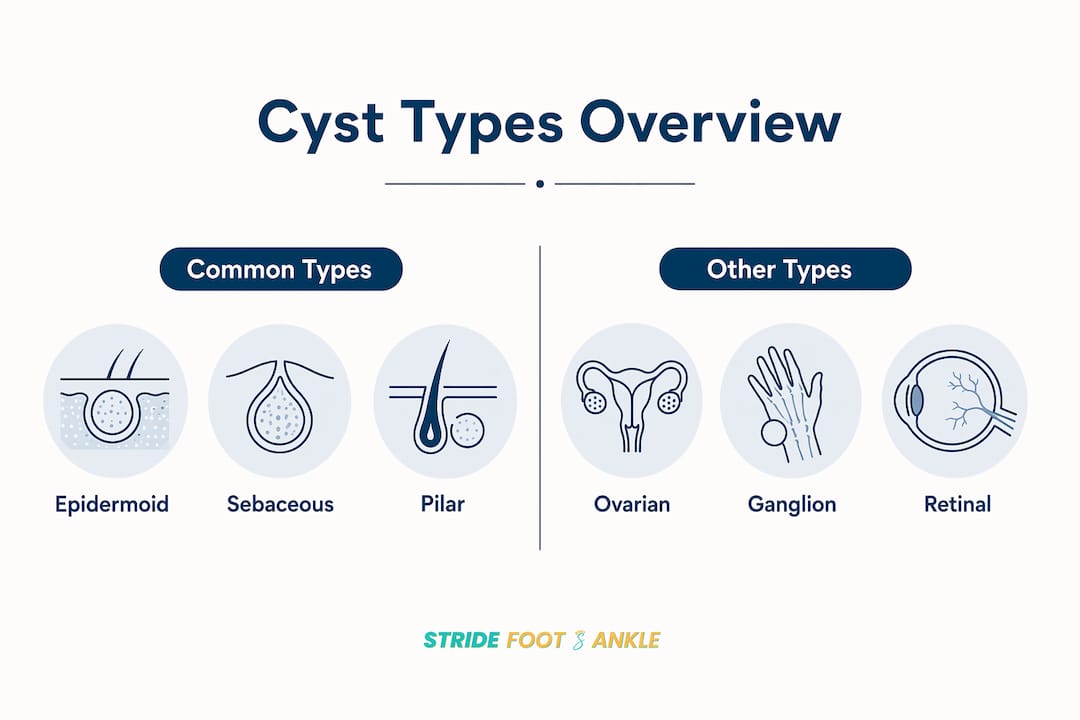
Cysts form through several distinct mechanisms, and the type determines where they appear, what they contain, and how they behave. Cyst types include epidermoid, sebaceous, pilar, ovarian, and ganglion varieties, each with its own cause and location pattern. Understanding the differences helps you describe your symptoms accurately to a doctor and set realistic expectations for treatment.
Epidermoid cysts
Epidermoid cysts are the most common type seen on the skin. They are filled with keratin, a protein the body produces naturally, and typically appear on the face, neck, and scalp. They form when skin cells multiply inside a pocket rather than shedding normally from the surface.
Sebaceous cysts
Sebaceous cysts develop when a sebaceous gland, the gland responsible for producing skin oil, becomes blocked. They are often found on the scalp, face, and upper back. The blockage causes oil to accumulate inside a sac beneath the skin surface.
Pilar cysts
Pilar cysts grow from hair follicle roots and appear almost exclusively on the scalp. They tend to run in families, suggesting a genetic component to their formation. Unlike epidermoid cysts, pilar cysts have a thicker wall and are usually easier to remove intact during surgery.
Other cyst types
Ovarian cysts are fluid-filled sacs that form on or inside the ovaries. They are particularly common in women of reproductive age and often resolve on their own without treatment. Ganglion cysts are firm, gel-filled lumps that develop along tendons or joints, most often in the wrist or foot.
Cysts form through blocked follicles, entrapped skin cells, injury, or irritation that triggers abnormal cell growth inside a sac. That formation process explains why trauma-prone areas like the feet and ankles are frequent sites for ganglion and epidermoid cysts.
| Cyst Type | Contents | Common Location | Typical Cause |
|---|---|---|---|
| Epidermoid | Keratin | Face, neck, scalp | Blocked hair follicle or skin cell entrapment |
| Sebaceous | Skin oil | Scalp, face, back | Blocked sebaceous gland |
| Pilar | Keratin | Scalp | Genetic, hair follicle root origin |
| Ovarian | Fluid | Ovaries | Hormonal changes, follicle development |
| Ganglion | Thick gel | Wrist, foot, ankle | Joint or tendon irritation |
What are the symptoms of cysts and when should you worry?
Most cysts produce a visible or palpable lump under the skin that is smooth, round, and movable. The lump is usually painless unless it becomes infected, inflamed, or ruptures. Recognizing when a cyst crosses from a minor nuisance into a medical concern is critical for avoiding complications.
Common symptoms of skin cysts include:
- A round, dome-shaped lump beneath the skin surface
- Smooth texture that moves slightly when pressed
- Size ranging from 1 to 5 centimeters in most cases
- A small central opening, called a punctum, visible on epidermoid cysts
- Mild tenderness if the cyst is near a nerve or joint
- Redness, warmth, and increased pain if infection develops
- Foul-smelling discharge if the cyst ruptures or drains
Internal cysts, such as ovarian cysts, often produce no symptoms at all and are discovered during routine imaging. When symptoms do appear, they may include pelvic pressure, bloating, or irregular periods. A ruptured ovarian cyst can cause sudden, sharp pelvic pain that requires immediate medical evaluation.
Clinical guidelines recommend seeking professional evaluation for any cyst that rapidly grows, causes persistent pain, shows signs of infection, recurs after treatment, or creates cosmetic concern. Each of those criteria signals that watchful waiting is no longer the right approach.
Dermatologists also stress that cysts can closely resemble lipomas and other lesions, making clinical evaluation the only reliable way to confirm a diagnosis. A lump that looks like a cyst may be something else entirely, including a tumor, abscess, or lymph node.
Pro Tip: Never self-diagnose a lump based on appearance alone. A board-certified physician can distinguish a benign cyst from a more serious growth through physical examination, ultrasound, or biopsy. Skipping that step is the most common mistake patients make.
What cyst treatment options are available and how do they differ?
Treatment for a cyst depends on its type, size, location, and whether it is causing symptoms. Small, asymptomatic cysts often need no treatment at all. Larger, painful, infected, or recurrent cysts require medical intervention ranging from injections to surgery.
Home management
Warm compresses applied to a small, non-infected skin cyst can reduce inflammation and encourage natural drainage. This approach works best for cysts that are mildly tender but show no signs of infection. Warm compresses do not eliminate the cyst sac, so the lump may persist even if discomfort improves.
DIY attempts to squeeze or pop cysts leave the sac wall intact, causing the cyst to refill and increasing the risk of infection. Squeezing also pushes bacteria deeper into the tissue, which can turn a simple cyst into a painful abscess requiring antibiotics or emergency drainage.
Pro Tip: Resist the urge to pop a cyst at home. The sac is the problem, not just the contents. Without removing the sac, the cyst will almost certainly come back, often in worse condition than before.
Corticosteroid injections
Corticosteroid injections reduce inflammation inside the cyst and shrink the surrounding tissue. Injections relieve inflammation but do not remove the cyst sac, so they provide symptom relief without preventing recurrence. This option works well for inflamed cysts that are not yet infected, buying time before a more definitive procedure.
Drainage and aspiration
Drainage involves inserting a needle into the cyst to remove its fluid contents. The procedure is quick and requires only local anesthesia. The drawback is significant: because the sac remains in place, recurrence rates after drainage alone are high.
Surgical excision
Surgical excision is the gold standard for permanent cyst removal. Removing the entire cyst sac during excision prevents the cyst from refilling and minimizes the chance of recurrence. Proper wound care after surgery, including the use of a protective barrier ointment such as Aquaphor, promotes healing and reduces visible scarring.
Cyst size directly affects how complex the surgery becomes. Cysts under 5.5 centimeters can often be managed with minimally invasive techniques and heal faster, while cysts exceeding that threshold typically require more extensive surgical planning and longer recovery. You can read more about minimally invasive foot surgery and what recovery looks like when cysts affect the lower extremities.
| Treatment Method | Invasiveness | Recurrence Risk | Recovery Time |
|---|---|---|---|
| Warm compresses | None | High | Ongoing |
| Corticosteroid injection | Low | Moderate to high | Days |
| Drainage and aspiration | Low to moderate | High | Days |
| Surgical excision | Moderate | Low | 1–3 weeks |
Non-surgical methods are valuable for managing symptoms, but they do not cure the underlying problem. Setting realistic expectations before starting any treatment helps patients make informed decisions and avoid disappointment when a cyst returns after drainage.
How can you prevent cysts and manage recurrence risks?
Prevention focuses on reducing the triggers that cause cysts to form or return. While not every cyst is preventable, several practical steps lower your risk and catch problems early.
Steps to reduce cyst formation and recurrence:
- Avoid repeated friction or pressure on skin areas prone to cysts, such as the feet, ankles, and scalp
- Keep skin clean and moisturized to prevent follicle blockages that lead to epidermoid and sebaceous cysts
- Monitor any existing lump monthly for changes in size, shape, color, or tenderness
- Report changes to a healthcare provider promptly rather than waiting for symptoms to worsen
- Follow all post-surgical wound care instructions, including applying a protective ointment to the incision site
- Attend scheduled follow-up appointments after cyst removal to confirm complete healing
- Wear properly fitted footwear to reduce joint and tendon irritation that can trigger ganglion cysts in the foot and ankle
Post-surgical care is where many patients fall short. Applying a barrier ointment like Aquaphor to the wound after surgical cyst removal protects the healing tissue and reduces scarring. Skipping this step can lead to thicker, more visible scars and slower recovery.
Lifestyle factors also play a role. Hormonal fluctuations contribute to ovarian cyst development, so patients with recurrent ovarian cysts benefit from discussing hormonal management with a gynecologist. For skin cysts, avoiding habits that irritate hair follicles, such as aggressive shaving or tight clothing, reduces the likelihood of new cysts forming in the same area.
Patients with a history of recurrent cysts should work with a specialist rather than managing the problem alone. A podiatry imaging evaluation can identify cysts in the foot and ankle that are not yet visible or palpable, allowing for earlier and simpler treatment.
Key takeaways
Surgical excision that removes the entire cyst sac is the only treatment that reliably prevents recurrence, making professional evaluation the most important step for any persistent or changing lump.
| Point | Details |
|---|---|
| Cyst definition | A closed sac filled with fluid, keratin, or semi-solid material that forms anywhere in the body. |
| Size matters | Cysts under 5.5 cm typically heal faster and need less complex surgery than larger ones. |
| Gold standard treatment | Surgical excision removing the full sac is the most effective way to prevent recurrence. |
| DIY risk | Squeezing or popping a cyst at home leaves the sac intact and raises infection risk significantly. |
| When to see a doctor | Rapid growth, persistent pain, infection signs, or recurrence all require professional evaluation. |
What I have learned from watching patients manage cysts the hard way
Patients consistently underestimate how much damage a self-treated cyst can cause. I have seen straightforward epidermoid cysts on the foot turn into deep abscesses because someone tried to drain them at home with a needle. What started as a five-minute surgical excision became a multi-week wound care case.
The second misconception I encounter regularly is the belief that a cyst is harmless simply because it does not hurt. Pain is not the only warning sign. A lump that grows steadily, changes shape, or feels different from month to month deserves a clinical look, regardless of whether it causes discomfort. Dermatologists and podiatrists are trained to distinguish a benign cyst from a lipoma, abscess, or something more serious. That distinction cannot be made reliably by touch alone.
The third pattern worth naming is the patient who gets drainage and considers the problem solved. Drainage removes the contents. It does not remove the sac. The cyst almost always returns, often larger and more inflamed than before. Surgical excision is the only method that addresses the root cause, and the recovery is far simpler when the cyst is small and caught early.
My honest advice: if you find a lump, get it checked within a few weeks. Do not pop it, do not ignore it, and do not assume it will disappear on its own. Early evaluation leads to simpler treatment, faster recovery, and far fewer complications.
— Ramil
Foot and ankle cysts: how Stridefootankle can help
Cysts that develop on the foot or ankle deserve the same level of expert attention as any other growth. At Stridefootankle, Dr. Nahad Wassel provides thorough clinical evaluations for patients in Las Vegas who notice unexplained lumps, bumps, or swelling in the lower extremities.

Stridefootankle offers both conservative and surgical approaches to cyst management, tailored to the size, type, and location of each growth. Whether your concern is a ganglion cyst near a joint or a soft tissue mass affecting your gait, the team is equipped to diagnose and treat it with care. Schedule a professional assessment through general foot and ankle care services and get a clear answer about what that lump actually is.
FAQ
What is a cyst, exactly?
A cyst is a closed sac filled with fluid, semi-solid material, or air that forms inside body tissue. Most are benign and cause no symptoms unless they become infected, inflamed, or rupture.
Are cysts dangerous?
Most cysts are not dangerous. However, any lump that grows rapidly, causes pain, shows signs of infection, or recurs after treatment should be evaluated by a physician to rule out more serious conditions.
Can a cyst go away on its own?
Some cysts, particularly small ovarian cysts and minor skin cysts, resolve without treatment. Cysts with a persistent sac, such as epidermoid or pilar cysts, rarely disappear on their own and typically require excision for permanent removal.
What is the best treatment for a cyst?
Surgical excision that removes the entire cyst sac is the gold standard for permanent removal and carries the lowest recurrence risk. Drainage and injections manage symptoms but do not eliminate the sac.
When should I see a doctor about a cyst?
See a doctor if the cyst grows rapidly, becomes painful or red, drains fluid, recurs after previous treatment, or if you are unsure whether the lump is a cyst at all. Clinical evaluation is the only reliable way to confirm the diagnosis.
Recommended
- Warts: Causes, Types, Treatment, and Prevention – Stride Foot & Ankle – Dr. Nahad Wassel
- Tendonitis: Symptoms, Causes, and Treatment Options – Stride Foot & Ankle – Dr. Nahad Wassel
- Corns and Calluses: Causes, Treatment, and Prevention – Stride Foot & Ankle – Dr. Nahad Wassel
- Flat Foot: Causes, Symptoms, and Treatment Options – Stride Foot & Ankle – Dr. Nahad Wassel
Recent Comments