

TL;DR:
- Foot pain often indicates underlying nerve, joint, or structural issues that require proper diagnosis and treatment. Early signs like burning, tingling, or numbness should prompt immediate medical evaluation to prevent permanent damage. Consulting a specialist ensures targeted care, especially for diabetic foot complications, arthritis, and overuse injuries.
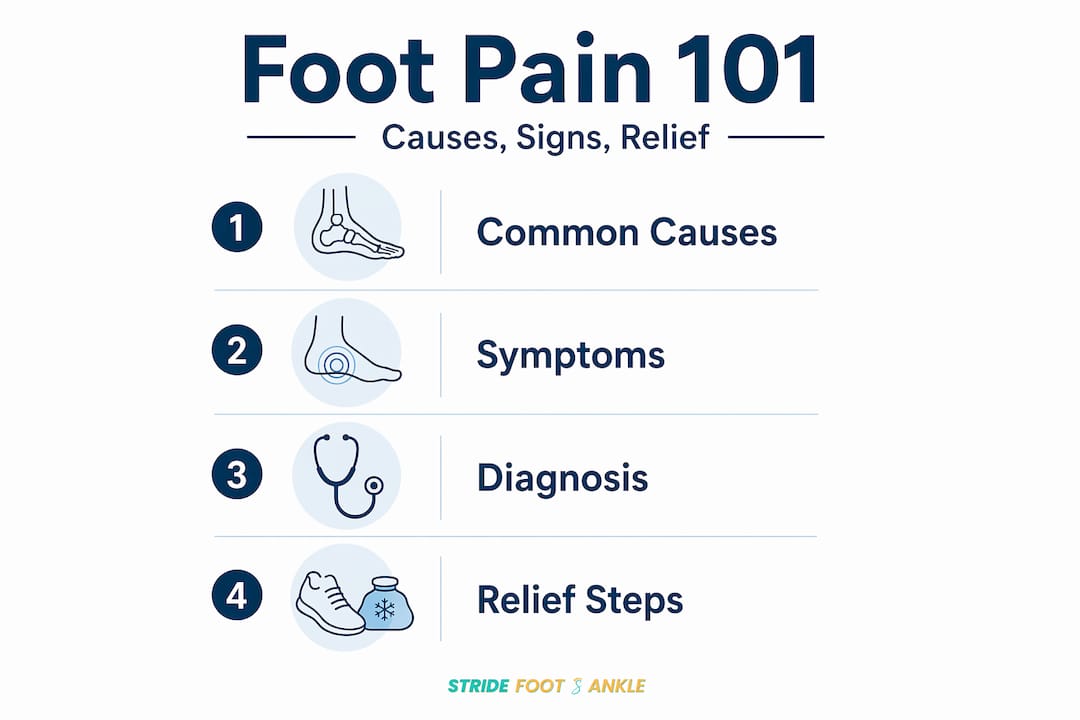
Foot pain stops you in your tracks, literally. If you’ve been asking yourself why do feet hurt, the answer is rarely as simple as “you walked too much today.” Foot pain can signal nerve damage, inflammatory arthritis, circulatory problems, structural breakdown, or diabetic complications, each requiring a different approach. Understanding what’s actually driving your discomfort is the first step toward getting real, lasting relief.
Table of Contents
- Key takeaways
- Why do feet hurt: the most common medical causes
- Injury, overuse, and footwear as causes of foot pain
- Warning signs and when to seek evaluation
- Practical treatments and preventive measures
- My take: what patients consistently overlook
- Get the right care for your feet in Las Vegas
- FAQ
Key takeaways
| Point | Details |
|---|---|
| Pain signals more than fatigue | Foot discomfort often points to nerve, joint, or structural problems that need proper diagnosis. |
| Neuropathy is a common culprit | Burning, tingling, or numbness in the feet frequently indicates peripheral nerve damage, especially in diabetics. |
| Arthritis starts silently | Arthritis can be painless in its early stages, making professional evaluation critical before deformity sets in. |
| Footwear choices matter more than you think | Ill-fitting shoes are a leading driver of plantar fasciitis, tendonitis, and structural deformity. |
| Early treatment prevents serious outcomes | Conditions like Charcot neuropathic osteoarthropathy can cause permanent deformity if not caught and immobilized promptly. |
Why do feet hurt: the most common medical causes
Feet hurt for many reasons, and medical conditions account for a significant portion of chronic cases. The three major categories are peripheral neuropathy, arthritis, and diabetic foot complications. Each produces different foot pain symptoms, but all benefit from early, targeted care.
Peripheral neuropathy and feet
Peripheral neuropathy occurs when the nerves connecting your feet to your spinal cord are damaged. The result is a range of unsettling sensations. Neuropathy symptoms include numbness, sharp or stabbing pain, burning, and extreme sensitivity to touch. Some patients describe feeling like they’re walking on pebbles or broken glass, even on a flat floor.
Diabetes is the most common cause, but it’s far from the only one. Neuropathy risk factors also include autoimmune diseases, vitamin B12 deficiency, excessive alcohol use, and exposure to certain toxins or medications. The nerve damage is not always painful at first. Many people only notice it when they lose the ability to feel heat, pressure, or injury, which is precisely when foot complications become dangerous.
Pro Tip: If you notice burning or tingling in your feet that worsens at night or after prolonged sitting, don’t wait to see if it passes. These are classic early signs of peripheral neuropathy, and early diagnosis gives you the best chance of slowing nerve damage before it progresses.
Arthritis types that cause foot pain
Arthritis is not a single disease. Multiple types affect the feet, and each comes with its own pattern of symptoms and progression.
- Osteoarthritis breaks down the cartilage in foot joints over time, causing stiffness, aching, and a grinding sensation, especially in the big toe joint or midfoot.
- Rheumatoid arthritis is an autoimmune condition. Rheumatoid arthritis affects feet in about 90% of patients, often starting in the small joints of the toes with pain, swelling, and eventual deformity.
- Psoriatic arthritis frequently targets the toe joints and Achilles tendon, causing swollen, sausage-like digits known as dactylitis.
- Gout produces sudden, severe pain and redness, most often in the big toe joint, triggered by uric acid crystal deposits.
What makes arthritis particularly tricky is that it can progress silently. Inflammation and cartilage wear can advance significantly before you feel significant pain, which is why waiting for severe symptoms before seeking evaluation is a mistake.
Diabetic foot complications
Diabetes creates a double threat to your feet: nerve damage reduces sensation and vascular disease reduces blood flow. Together, they create conditions where small wounds go unnoticed and heal poorly. Neuropathy contributes to 60% to 70% of diabetic foot ulcers, which typically form at pressure points like heels and metatarsal heads.
The most serious complication is Charcot neuropathic osteoarthropathy, a condition where repeated unnoticed trauma triggers a cycle of inflammation and bone destruction. Charcot foot presents as a warm, swollen, red foot that is often mistaken for infection. Without prompt immobilization, the bones of the foot collapse, creating a “rocker bottom” deformity that makes normal walking impossible and dramatically increases amputation risk.
Injury, overuse, and footwear as causes of foot pain
Not all foot pain has a medical origin. Many people develop what causes foot discomfort through entirely mechanical means: the wrong shoes, too much activity without proper conditioning, or a single traumatic event.
Overuse injuries and structural problems
The feet absorb enormous force with each step. When the load exceeds what your tissues can handle, overuse injuries develop. Common mechanical causes of foot pain include:
- Plantar fasciitis: Inflammation of the thick band of tissue connecting your heel to your toes. It produces sharp heel pain that is worst with the first steps in the morning and typically develops from prolonged standing, running on hard surfaces, or tight calf muscles.
- Achilles tendonitis: Overuse of the tendon at the back of the heel, common in runners and people who suddenly increase their activity level.
- Stress fractures: Tiny cracks in foot bones that result from repetitive impact, especially in athletes or people who shift to high-impact activity too quickly.
- Ligament sprains: A rolled ankle can cause lasting foot pain if the supporting ligaments are stretched or torn and not properly rehabilitated.
- Heel spurs: Bony growths on the underside of the heel bone, often developing alongside plantar fasciitis and causing sharp pain with weight bearing.
The footwear problem
Shoes are one of the most underestimated drivers of foot pain. High heels shift your body weight forward onto the ball of the foot, increasing pressure on the metatarsal bones by up to 76%. Shoes with narrow toe boxes compress the toes and accelerate bunion and hammertoe formation. Flat shoes with no arch support place chronic stress on the plantar fascia. Foot pain at night often signals that repeated stress from improper footwear has built up to a point where inflammation persists even at rest.

Choosing the right shoe means prioritizing a firm heel counter, adequate arch support, a wide toe box, and cushioning appropriate for your activity. If you are unsure where to start, the team at Stridefootankle’s foot care resources offers expert guidance on protective footwear selection.
Warning signs and when to seek evaluation
Foot pain that is mild and resolves after rest is often mechanical and manageable. But specific foot pain symptoms demand prompt professional attention. Here is how to read the signals your feet are sending you.
- Burning or tingling that doesn’t go away. Persistent burning, especially at night, is a hallmark of peripheral neuropathy and feet in early nerve damage stages. It should never be dismissed as “just tired feet.”
- Loss of sensation in any part of your foot. If you can’t feel heat, a sharp pinch, or pressure on the sole, you have lost protective sensation. This means injuries can occur without your knowledge, which is how diabetic foot ulcers form.
- A hot, swollen foot without obvious injury. A foot that becomes warm, red, and swollen without a clear cause could indicate Charcot neuropathic osteoarthropathy or a deep tissue infection. Both are medical emergencies requiring same-day evaluation.
- Joint pain with morning stiffness lasting more than 30 minutes. This pattern suggests inflammatory arthritis, particularly rheumatoid or psoriatic. Stiffness that warms up within minutes typically points to osteoarthritis.
- Foot pain that wakes you from sleep. Nighttime foot pain consistently points to nerve, circulatory, or inflammatory causes rather than simple overuse. Getting a proper Las Vegas foot pain diagnosis can identify the exact source and guide treatment.
How diagnosis works
A thorough evaluation for foot pain includes a physical and neurological exam to test sensation, reflexes, and range of motion. Imaging such as X-rays or MRI reveals bone, joint, and soft tissue changes. Nerve conduction studies measure how well electrical signals travel through peripheral nerves and confirm neuropathy. Blood tests identify inflammatory markers, uric acid levels, blood sugar, and autoimmune indicators. Each piece of information narrows the diagnosis and shapes the treatment plan.
Practical treatments and preventive measures
The best remedies for foot pain depend directly on the underlying cause, which is why self-treatment without a diagnosis often delays recovery. That said, both medical treatments and lifestyle adjustments play a meaningful role in managing and preventing foot pain.
Medical treatment options
- Offloading devices: For diabetic foot ulcers and Charcot foot, non-removable offloading casts are the gold standard. They eliminate pressure on vulnerable areas and allow healing to occur.
- Orthotics and bracing: Custom orthotics correct biomechanical imbalances that drive plantar fasciitis, arthritis pain, and tendonitis. A foot and ankle specialist can prescribe devices tailored to your foot structure.
- Physical therapy: Targeted stretching and strengthening exercises address the muscular imbalances that cause many overuse injuries. Physical therapy for foot pain is particularly effective for plantar fasciitis and Achilles tendonitis.
- Medication: Anti-inflammatory medications manage arthritis flares and tendonitis. Neuropathic pain may respond to specific nerve medications prescribed by your physician.
- Wound care: Diabetic foot ulcers require specialized wound management, debridement, and infection control to prevent amputation.
Lifestyle and preventive strategies
Pro Tip: Daily foot inspections take about 60 seconds and can prevent life-altering complications. If you have diabetes or peripheral neuropathy, checking the soles and between your toes each night for cuts, blisters, or color changes is one of the most effective preventive habits you can build.
The table below compares conservative prevention steps against more advanced medical interventions, helping you understand when self-care is enough and when professional care is necessary.
| Situation | Self-care approach | When to see a specialist |
|---|---|---|
| Mild heel pain after activity | Stretching, supportive shoes, rest | Pain persists beyond 2 weeks |
| Tingling or numbness in toes | Avoid tight footwear, check blood sugar | Any sensory loss, worsening symptoms |
| Swollen toe joint after diet change | Hydrate, avoid purine-rich foods | Severe pain, fever, or recurring attacks |
| Diabetic foot wound | Clean and cover wound, check daily | Any wound that does not heal in 3 days |
| Arthritis-related stiffness | Low-impact exercise, anti-inflammatory foods | Morning stiffness over 30 minutes, joint deformity |
Beyond specific conditions, general foot health rests on consistent habits. Maintaining a healthy body weight reduces the mechanical load on every foot joint. Wearing activity-appropriate footwear prevents the majority of overuse injuries. For those with diabetes or autoimmune conditions, managing the underlying disease aggressively is the single most powerful thing you can do for your feet. Why foot care matters becomes especially clear when you consider that many amputations are preventable with the right daily habits and timely care.
My take: what patients consistently overlook
In my experience, the most common mistake people make is normalizing foot pain. They tell themselves it’s age, or their job, or that everyone’s feet hurt after a long day. Sometimes that’s true. But too often, that assumption delays care for something like neuropathy or early Charcot foot, where weeks of waiting translates into months of recovery or permanent damage.
I’ve seen patients come in after tolerating burning, tingling feet for years, attributing it to stress or bad shoes. By the time they seek evaluation, the nerve damage is advanced and managing it becomes significantly harder. The same pattern plays out with arthritis. People assume joint pain is just part of getting older, not realizing that earlier intervention with orthotics, targeted exercise, and sometimes medication can prevent deformity entirely.
The other thing I’ve found patients consistently underestimate is footwear. A well-fitted, supportive shoe is not just comfort. It is a medical decision, particularly if you have diabetes, arthritis, or any structural foot issue. Cheap, flat, or fashion-forward shoes cost far more in healthcare over a lifetime than a quality pair of supportive footwear costs upfront.
My practical advice: stop dismissing foot pain that recurs, worsens at night, or comes with any sensory change. You don’t need to wait until you can barely walk to ask for help. Proactive evaluation, even for symptoms that seem minor, gives you options. Waiting until a problem is severe narrows them.
— Ramil
Get the right care for your feet in Las Vegas
If you’ve been wondering why are my feet sore day after day, or if you recognize any of the symptoms described in this article, getting a professional evaluation is the clearest path forward. Stridefootankle, led by board-certified podiatric surgeon Dr. Nahad Wassel, provides comprehensive foot and ankle care for patients across the Las Vegas area. From peripheral neuropathy and diabetic foot complications to plantar fasciitis, arthritis, and structural deformities, the practice covers the full spectrum of foot health needs.

Dr. Wassel’s approach prioritizes conservative treatment whenever possible, using custom orthotics, offloading devices, wound care, physical therapy, and patient education before considering surgical options. Whether your foot pain is a new development or a long-standing issue you’ve been managing on your own, the team at Stridefootankle is ready to help you understand its cause and build a personalized plan. You can also explore the Las Vegas podiatry guide for more on what to expect from a diagnostic visit. Don’t let foot pain become a limitation. Request your appointment today.
FAQ
Why do feet hurt more at night?
Nighttime foot pain often signals nerve damage, inflammation, or poor circulation rather than simple fatigue. Foot pain at night that is persistent or worsening warrants a professional evaluation to rule out neuropathy, arthritis, or vascular disease.
What causes burning foot pain in diabetics?
Burning foot pain in diabetics is most commonly caused by peripheral neuropathy, which is nerve damage resulting from prolonged high blood sugar. Neuropathy symptoms include burning, tingling, sharp pain, and eventual numbness that increases the risk of unnoticed foot injuries.
Can arthritis cause foot pain without obvious swelling?
Yes. Arthritis can be painless and symptom-free in its early stages, even as joint damage progresses. Professional evaluation including imaging is the only reliable way to detect and manage arthritis before deformity develops.
When is foot pain a medical emergency?
A foot that becomes suddenly hot, red, and swollen without injury may indicate Charcot neuropathic osteoarthropathy or a deep infection, both of which require same-day medical attention. Early immobilization of Charcot foot is critical to preventing permanent bone collapse and deformity.
What are the best first steps for relieving foot pain at home?
Rest, supportive footwear, gentle stretching, and reducing high-impact activity are reasonable first responses to mild foot pain. However, if symptoms include any numbness, tingling, open wounds, or joint swelling, home remedies are not sufficient and a podiatrist should be consulted promptly.
Recommended
- What is pediatric foot pain? A parents’ guide to causes and care – Stride Foot & Ankle – Dr. Nahad Wassel
- Physical therapy for foot pain: recovery and relief – Stride Foot & Ankle – Dr. Nahad Wassel
- Arthritis Can Be Painless in your Feet – Stride Foot & Ankle – Dr. Nahad Wassel
- How to prevent foot injuries: expert strategies for healthy feet – Stride Foot & Ankle – Dr. Nahad Wassel
Recent Comments