

Foot pain affects millions of Americans, yet many Las Vegas residents feel overwhelmed when trying to figure out which treatment is actually right for them. The options range from simple stretching routines to complex surgical corrections, and choosing the wrong path can mean months of unnecessary discomfort or delayed healing. Understanding how podiatrists evaluate and match procedures to specific conditions gives you a real advantage. This article walks you through the most effective podiatry procedures available today, backed by current clinical evidence, so you can approach your next appointment with clarity and confidence.
Table of Contents
- How to choose the right podiatry procedure
- Stretching, strengthening, and physiotherapy for foot pain
- Pressure offloading and advanced wound care for high-risk feet
- Surgical interventions: From bunions to complex foot repairs
- Summary table: Comparing top podiatry procedures
- Why the best podiatry procedures aren’t always surgical
- Need help choosing the right foot care? Las Vegas experts can guide you
- Frequently asked questions
Key Takeaways
| Point | Details |
|---|---|
| Start with conservative care | Most foot pain responds well to stretching, strengthening, and targeted physiotherapy before advanced options are needed. |
| Special care for high-risk feet | Pressure offloading and regular surveillance are crucial for diabetic and vascular patients to prevent complications and promote healing. |
| Surgical timing matters | Surgery should only follow failure of conservative measures and be tailored to your biomechanics and medication profile. |
| Expert guidance is essential | Consult an experienced podiatrist in Las Vegas for individualized diagnosis and procedure selection to ensure safety and results. |
How to choose the right podiatry procedure
The single most important thing to understand before exploring specific procedures is that podiatric care is not one-size-fits-all. Your foot condition, its severity, your overall health, and your biomechanics (the way your foot moves and bears weight) all shape which treatment will actually work for you.
The most reliable approach follows what clinicians call a “condition-first” framework. This means your care team starts by identifying the root cause of your pain or dysfunction, then matches treatment intensity to that finding. Evidence-based conservative care for conditions like plantar fasciitis confirms this: start with guideline-supported conservative care, then escalate to injections or advanced modalities, and consider surgery only after conservative measures have genuinely failed and deformity or biomechanical issues are confirmed.
Here is a practical step-by-step process for how that decision gets made:
- Identify the diagnosis clearly. A proper exam, imaging if needed, and a thorough history come first. Vague diagnoses lead to mismatched treatments.
- Assess severity and duration. A two-week-old heel ache calls for a very different response than a six-month-old structural deformity.
- Review your overall health profile. Diabetes, peripheral artery disease (PAD), and autoimmune conditions all change what treatments are safe and effective.
- Start with the least invasive option. The condition-first treatment approach is the standard across most foot and ankle guidelines.
- Set clear milestones. If conservative care is not producing measurable improvement within a defined period, escalation is appropriate and expected.
- Confirm biomechanics before surgery. Structural issues like bunion angles, arch collapse, or tendon dysfunction must be fully evaluated before any surgical decision is made.
Las Vegas clinics increasingly take a multidisciplinary approach, meaning your podiatrist may coordinate with vascular specialists, endocrinologists, or physical therapists depending on your condition. This is especially true for patients with complex or chronic foot problems. Learning the foot and ankle care basics before your first appointment helps you ask better questions and get faster results.
Pro Tip: Before your appointment, write down when your pain started, what makes it worse, and what you have already tried. This information helps your podiatrist move through the decision framework faster and more accurately.
Stretching, strengthening, and physiotherapy for foot pain
For the majority of Las Vegas patients seeking podiatric care, the most effective first-line procedures are not injections or surgeries. They are targeted physical therapy exercises, and the evidence behind them is strong.
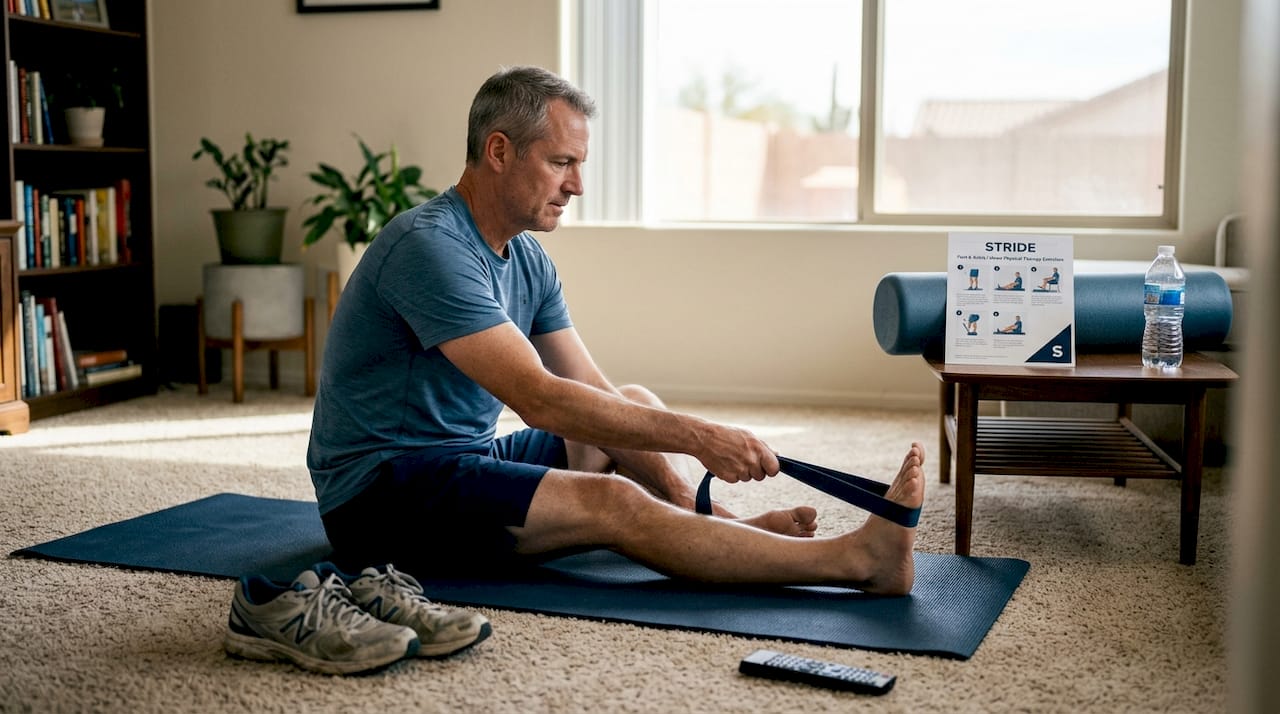
Plantar fasciitis is the most common cause of heel pain in adults, affecting roughly 10% of the population at some point in their lives. It involves inflammation of the plantar fascia, the thick band of tissue running along the bottom of your foot from the heel to the toes. Left untreated or mismanaged, it can become a chronic, debilitating problem.
Current evidence-based care for plantar fasciitis shows that stretching combined with strengthening exercises outperforms stretching alone. Specifically, gastrocnemius and soleus stretches (targeting the calf muscles that attach near the heel) combined with plantar fascia-specific stretching produce measurable, lasting improvements. Adding dry needling of related muscles can improve pain and disability for up to six months.
Key conservative procedures your podiatrist may recommend include:
- Plantar fascia stretching. Performed first thing in the morning before taking your first steps, this reduces the sharp “start-up pain” that many heel pain sufferers know well.
- Calf and Achilles stretching. Tight calf muscles increase tension on the plantar fascia. Releasing them reduces overall load on the heel.
- Intrinsic foot strengthening. Short-foot exercises and toe curls build the small muscles that support your arch, reducing strain on passive structures like the fascia.
- Dry needling. A trained clinician inserts thin needles into trigger points (tight muscle knots) in the calf and foot. This is different from acupuncture and targets specific musculoskeletal dysfunction.
- Custom orthotics. Prescription shoe inserts correct abnormal foot mechanics, redistributing pressure away from inflamed areas during daily activity.
- Night splints. These hold the foot in a dorsiflexed (toes-up) position overnight, keeping the plantar fascia gently stretched while you sleep.
“Strengthening exercises added to a stretching program consistently outperform stretching alone for plantar fasciitis, and dry needling shows promise as a meaningful adjunct for patients who need longer-lasting pain relief.”
Finding relief from heel pain often comes faster when patients commit to a structured home exercise program alongside in-office treatment. Consistency matters more than intensity here. Doing your stretches twice daily for six to eight weeks produces far better results than sporadic effort.
Pro Tip: If your heel pain is worst in the morning but improves after a few minutes of walking, that pattern strongly suggests plantar fasciitis. Mention it specifically to your podiatrist because it guides the treatment plan immediately.
For patients dealing with tendon or ligament injuries, nonsurgical foot pain treatment options have expanded significantly in recent years. Platelet-rich plasma (PRP) injections, extracorporeal shockwave therapy (ESWT), and progressive loading protocols are now well-supported alternatives to surgery for many tendon conditions.
Pressure offloading and advanced wound care for high-risk feet
Not every foot pain patient fits the standard plantar fasciitis profile. For patients with diabetes, peripheral artery disease, neuropathy (nerve damage), or significant foot deformities, the stakes are considerably higher. A small wound that heals in days for a healthy person can become a limb-threatening ulcer for someone with poorly controlled diabetes.
Pressure offloading and multidisciplinary foot care are core elements for patients with high-risk foot conditions, including those with PAD combined with diabetes or deformities. Surgical correction is considered only if conservative management fails.
Pressure offloading means reducing or eliminating mechanical load on a wound or vulnerable area so it can heal. This is accomplished through several methods:
- Total contact casting (TCC). Considered the gold standard for diabetic foot ulcers, TCC distributes weight evenly across the entire foot and lower leg, dramatically reducing pressure on the wound site.
- Removable cast walkers. These are boot-style devices that offload the foot. They are less effective than TCC because patients often remove them, but they are more practical for some situations.
- Custom diabetic footwear. Prescription shoes with extra depth and custom insoles prevent new ulcers from forming and protect existing ones during the healing process.
- Wound debridement. Removing dead or infected tissue from a wound is a standard procedure that promotes healthy tissue growth and prevents infection spread.
- Advanced wound dressings. Bioactive dressings, antimicrobial silver dressings, and collagen-based products create optimal healing environments for complex wounds.
“In high-risk populations, offloading and multidisciplinary evaluation often determine outcomes as much as the eventual surgical option. Evidence-based risk stratification and structured foot surveillance are emphasized by major cardiology guideline authors.”
The table below summarizes the key differences in care approach between standard and high-risk foot patients:
| Factor | Standard foot patient | High-risk foot patient |
|---|---|---|
| Primary concern | Pain, function | Wound healing, limb preservation |
| First-line treatment | Stretching, orthotics | Offloading, wound care |
| Monitoring frequency | As needed | Structured, regular surveillance |
| Care team | Podiatrist | Podiatrist, vascular specialist, endocrinologist |
| Surgery threshold | After conservative failure | Only after full conservative protocol |
For Las Vegas patients managing diabetes or vascular disease, comprehensive wound care solutions are available through specialized podiatric practices. Regular foot inspections, proper nail care, and early treatment of any skin breakdown are non-negotiable parts of this care plan.
Patients dealing with plantar warts or skin lesions on high-risk feet need extra caution. Standard wart treatments can be too aggressive for compromised skin. Reviewing wart and high-risk foot care options with a podiatrist ensures you get the right level of treatment without risking complications.
One of the most innovative tools now available is ultrasound wound therapy, which uses low-frequency ultrasound energy to stimulate cellular repair, reduce bacterial load in wounds, and accelerate healing. This technology is particularly valuable for chronic wounds that have not responded to conventional dressings. Staying current with foot care best practices helps both patients and caregivers understand when advanced tools like this are appropriate.
Surgical interventions: From bunions to complex foot repairs
When conservative and advanced nonsurgical care have been exhausted and a structural problem persists, surgery becomes the appropriate next step. Podiatric surgery covers a wide range of procedures, from relatively straightforward corrections to complex reconstructions.
The most common podiatric surgeries include:
- Bunionectomy. Correction of a hallux valgus deformity (the bony bump at the base of the big toe). Techniques range from simple bone shaving to full osteotomy (cutting and realigning the bone).
- Hammertoe repair. Correction of a bent or contracted toe, often involving tendon release, joint fusion, or bone removal.
- Plantar fascia release. A partial cut of the plantar fascia to relieve chronic tension when conservative measures have failed over many months.
- Ankle arthroscopy. A minimally invasive procedure using a small camera to diagnose and treat joint problems inside the ankle.
- Flatfoot reconstruction. A combination of tendon transfers, osteotomies, and fusions to correct severe adult-acquired flatfoot deformity.
- Achilles tendon repair. Surgical reattachment or reconstruction of a ruptured or severely damaged Achilles tendon.
One of the most important developments in 2026 podiatric surgery is the formal attention now given to perioperative medication management. A 2026 clinical consensus statement specifically addresses how to manage blood thinners, antiplatelet agents, and disease-modifying antirheumatic drugs (DMARDs) or biologics around the time of elective foot and ankle surgery. This reflects a growing recognition that the surgery itself is only part of the safety equation.
| Medication category | Perioperative concern | Management approach |
|---|---|---|
| Anticoagulants (blood thinners) | Bleeding risk during and after surgery | Bridging or temporary discontinuation per protocol |
| Antiplatelet agents (e.g., aspirin) | Prolonged bleeding, wound complications | Individualized hold period based on cardiac risk |
| DMARDs (e.g., methotrexate) | Infection risk, wound healing delay | Hold or continue based on disease activity and drug type |
| Biologics (e.g., TNF inhibitors) | Increased infection risk | Typically held for one dosing cycle before surgery |
The 2026 consensus statement makes clear that these are not rigid rules but frameworks requiring individualized decision-making. Your podiatric surgeon should be coordinating directly with your cardiologist, rheumatologist, or primary care physician well before your procedure date.
Key safety considerations for surgical patients in 2026:
- Confirm all medications with your surgical team at least two to four weeks before surgery.
- Disclose every supplement and over-the-counter medication, as many affect bleeding.
- Understand your expected recovery timeline before committing to surgery.
- Ask specifically about postoperative weight-bearing restrictions and how they will affect your daily life.
For patients managing arthritis alongside foot deformities, arthritis surgery information can clarify which surgical options are most appropriate and what realistic outcomes look like. Ensuring continuity of foot and ankle care from preoperative planning through postoperative rehabilitation is what separates good outcomes from great ones.
Summary table: Comparing top podiatry procedures
With so many options available, a side-by-side comparison helps you see where each procedure fits in the overall care continuum.
| Procedure type | Best for | Key benefit | Important consideration |
|---|---|---|---|
| Stretching and strengthening | Plantar fasciitis, tendinopathy | Low risk, high evidence base | Requires consistent daily effort |
| Dry needling | Muscle trigger points, chronic pain | Up to 6 months of relief | Needs trained practitioner |
| Custom orthotics | Biomechanical issues, arch problems | Corrects root cause | Requires proper fitting |
| Total contact casting | Diabetic foot ulcers | Gold standard for offloading | Requires regular cast changes |
| Advanced wound care | Chronic wounds, high-risk feet | Accelerates healing | Needs ongoing monitoring |
| Bunionectomy | Structural bunion deformity | Permanent correction | Recovery takes weeks to months |
| Hammertoe repair | Fixed or flexible toe deformity | Restores toe alignment | Footwear changes may be needed |
| Ankle arthroscopy | Joint pain, loose bodies, impingement | Minimally invasive | Limited to intra-articular problems |
| Plantar fascia release | Chronic plantar fasciitis | Relieves chronic tension | Only after 6 to 12 months of conservative care |
As the 2026 clinical consensus statement reinforces, surgical procedures require careful patient selection and individualized perioperative planning. No procedure in this table is universally superior. The right choice depends entirely on your diagnosis, health history, and treatment response.
Why the best podiatry procedures aren’t always surgical
Here is something worth saying plainly: most patients who come in expecting surgery end up getting better without it. That is not a failure of medicine. It is medicine working exactly as it should.
There is a common assumption that surgery equals a definitive fix, while conservative care is just “waiting it out.” That framing is wrong. A well-designed stretching and strengthening program, properly executed over eight to twelve weeks, produces structural changes in the plantar fascia and surrounding musculature. That is not passive. It is active tissue remodeling.
The patients who struggle most are often those who either skip conservative care entirely (demanding surgery too soon) or stay in conservative care too long without escalating when it is clearly not working. Both extremes lead to worse outcomes. The skill of an experienced podiatrist lies in knowing exactly when to hold the current course and when to move to the next level.
For high-risk patients, this judgment becomes even more critical. A diabetic patient with a foot ulcer does not need aggressive surgical debridement on day one. They need offloading, infection control, vascular assessment, and a structured wound care protocol. Surgery, if needed at all, comes later and only after the full picture is clear.
What we have seen consistently is that coordinated foot care, where your podiatrist communicates with your other providers and tracks your progress against clear benchmarks, produces better long-term outcomes than any single procedure in isolation. The procedure is a tool. The care plan is what actually heals you.
This is especially relevant in Las Vegas, where many residents are on their feet for long hours in hospitality, service, and entertainment industries. The demands on your feet here are real and specific. A treatment plan that works for a sedentary patient in another city may not account for the physical requirements of your job or lifestyle. That local context matters, and it should be part of every treatment conversation you have.
Need help choosing the right foot care? Las Vegas experts can guide you
Knowing which procedure fits your condition is one thing. Getting access to a provider who will actually take the time to match you to the right treatment is another.
At Stride Foot & Ankle, we offer the full spectrum of podiatric care, from evidence-based conservative treatments to advanced surgical interventions. Whether you need wound care services for a complex diabetic foot issue or a thorough evaluation for persistent heel pain, our approach starts with your diagnosis and your goals. Dr. Nahad Wassel brings board-certified expertise and a patient-centered philosophy to every appointment. Explore our comprehensive foot and ankle care options or visit our Las Vegas podiatry practice to request an appointment and take the first step toward lasting relief.
Frequently asked questions
What is the best initial treatment for plantar fasciitis?
The best initial treatment is a combination of targeted stretching and strengthening exercises focusing on the calf and plantar fascia, often supplemented by dry needling. Stretching and strengthening outperform stretching alone, and dry needling can improve pain and disability for up to six months.
When is surgery considered for foot and ankle conditions?
Surgery is considered only after conservative treatments have failed and there is clear evidence of structural deformity or persistent biomechanical dysfunction that cannot be addressed nonoperatively. Surgical correction is the last step in a staged care process, not the first response.
How are high-risk patients (diabetes, PAD) managed differently?
High-risk patients require pressure offloading and multidisciplinary foot care as core elements of their treatment, along with regular foot inspections and structured wound surveillance to prevent serious complications.
Are there new safety protocols for foot surgery in 2026?
Yes. Current protocols place strong emphasis on perioperative medication management, particularly for blood thinners and immunosuppressive drugs. A 2026 clinical consensus statement guides these decisions, with care individualized to each patient’s health profile and surgical risk.
Recent Comments