

TL;DR:
- Nerve damage disrupts communication between the brain and body, affecting sensory, motor, or autonomic functions. Early diagnosis using tests like EMG, combined with treatment options including medication and surgery, can improve outcomes. Prompt evaluation and management are crucial to prevent irreversible nerve loss and long-term disability.
Nerve damage is the injury or dysfunction of peripheral nerves that disrupts communication between the brain, spinal cord, muscles, and organs. Symptoms depend on which nerve type is affected: sensory nerves cause numbness, tingling, or burning; motor nerves cause muscle weakness or cramping; autonomic nerves cause digestive problems, abnormal sweating, or bladder dysfunction. Clinicians use the term peripheral neuropathy to describe this condition when the peripheral nervous system is involved. Diagnostic tools like electromyography (EMG) and nerve conduction studies pinpoint the injury location and severity. Treatments range from medications like gabapentin to surgical procedures like nerve grafting.
What are the most common causes of nerve damage?
Peripheral neuropathy has many causes, and understanding which one applies to you shapes every treatment decision that follows. Common causes include diabetes, autoimmune diseases, infections, toxins, trauma, and chemotherapy. Each cause damages nerves through a different mechanism, which is why two patients with nerve pain can need very different care.
Metabolic and systemic causes
Diabetes is the leading cause of peripheral neuropathy in the United States. Chronically elevated blood sugar damages the small blood vessels that feed nerves, producing the classic “stocking-glove” pattern of sensory loss that starts in the feet and moves upward. Autoimmune diseases like lupus and rheumatoid arthritis trigger the immune system to attack the myelin sheath, the protective coating around nerve fibers. Infections such as Lyme disease, shingles, and HIV also damage peripheral nerves directly.
Traumatic and mechanical causes
Physical trauma, including fractures, crush injuries, and lacerations, can sever or compress nerves outright. Repetitive stress injuries, such as carpal tunnel syndrome or tarsal tunnel syndrome in the foot, compress nerves over time through sustained pressure. Clinicians classify nerve injuries into three grades: neuropraxia (a mild, reversible block), axonotmesis (more severe disruption of the axon), and neurotmesis (complete nerve severance). This classification directly guides whether surgery is needed.
Toxic and medication-related causes
Chemotherapy drugs, heavy metals like lead and mercury, and excessive alcohol consumption all damage nerve fibers through toxic mechanisms. These causes tend to produce a diffuse, symmetric pattern of nerve loss rather than the focal deficits seen in trauma. Recognizing the cause early is critical because removing the toxic agent can stop further progression.
| Cause Category | Examples | Primary Mechanism |
|---|---|---|
| Metabolic | Diabetes, thyroid disease | Vascular damage to nerve supply |
| Autoimmune | Lupus, Guillain-Barré syndrome | Myelin sheath destruction |
| Traumatic | Fractures, crush injuries | Direct axon disruption |
| Toxic/Medication | Chemotherapy, heavy metals | Axonal degeneration |
| Entrapment | Carpal tunnel, tarsal tunnel | Sustained compression |
| Infectious | Lyme disease, shingles | Direct nerve inflammation |
How is nerve damage diagnosed?
Nerve damage diagnosis combines a physical exam, electrodiagnostic testing, imaging, and blood work to identify the injury type, location, and severity. Getting the diagnosis right is the foundation of effective nerve injury treatment. Skipping steps leads to delayed care and worse outcomes.
Step 1: Clinical examination
Your doctor will test muscle strength, reflexes, and sensation in the affected area. They check for coordination problems and look for signs of autonomic dysfunction, such as unusual skin color changes or abnormal sweating. This exam narrows down which nerve or nerve group is involved before any technology is used.
Step 2: Electrodiagnostic testing
EMG and nerve conduction studies localize lesions and distinguish injury types. EMG measures the electrical activity of muscles at rest and during contraction, revealing whether the problem is in the nerve or the muscle itself. Nerve conduction studies measure how fast electrical signals travel along a nerve. Together, these two tests are the gold standard for confirming peripheral nerve injury.
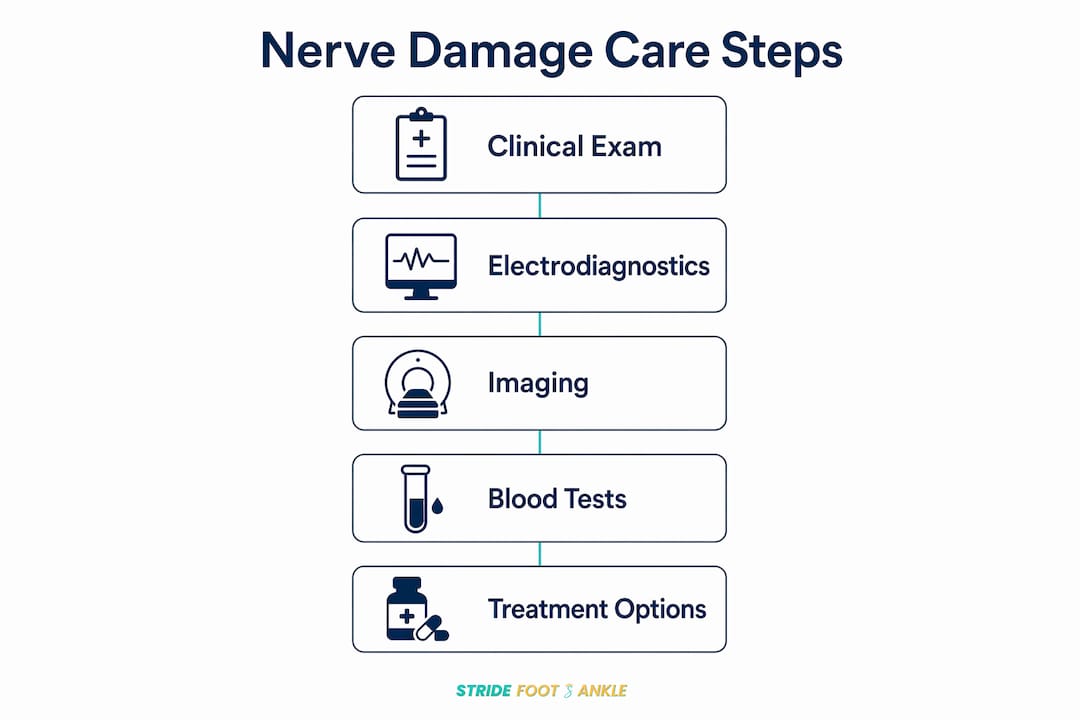
Step 3: Imaging studies
MRI and CT scans show nerve morphology after trauma and can identify tumors, herniated discs, or scar tissue pressing on a nerve. Ultrasound is increasingly used to visualize peripheral nerves in real time, especially in the foot and ankle. Imaging plays a key role in planning surgical interventions when conservative care has not resolved symptoms.
Step 4: Blood tests
When an autoimmune or metabolic cause is suspected, blood tests check for diabetes markers, thyroid function, vitamin B12 deficiency, and inflammatory markers. Identifying an underlying systemic condition changes the treatment plan entirely. For example, correcting a B12 deficiency can halt nerve deterioration before permanent damage sets in.
Pro Tip: Before your appointment, write down exactly where your symptoms are, when they started, and what makes them better or worse. This detail helps your doctor order the right tests on the first visit rather than the third.
What treatment options exist for nerve damage?
Treatment for nerve damage ranges from conservative management to surgical repair, depending on the cause, severity, and how long the injury has been present. For injuries with potential spontaneous recovery, priority is pain management and physical therapy rather than immediate surgery. When surgery is needed, timing is everything.
Conservative treatments
Conservative care is the first line for most patients with peripheral neuropathy or mild nerve injuries. The goal is to reduce pain, maintain function, and allow the nerve to heal on its own where possible.
- Medications: Gabapentin and pregabalin reduce nerve-generated pain signals. Tricyclic antidepressants like amitriptyline and SNRIs like duloxetine are also effective for chronic nerve pain. Topical treatments like lidocaine patches or capsaicin cream provide localized relief without systemic side effects.
- Physical therapy: Targeted exercises maintain muscle strength and joint mobility while the nerve recovers. Physical therapy for foot pain is especially valuable when nerve damage affects gait and balance.
- Lifestyle modifications: Controlling blood sugar in diabetic patients slows further nerve deterioration. Eliminating alcohol, correcting nutritional deficiencies, and avoiding repetitive pressure on affected areas all support recovery.
- Nerve stimulation: Transcutaneous electrical nerve stimulation (TENS) and spinal cord stimulation can reduce chronic nerve pain when medications alone are insufficient.
Surgical treatments
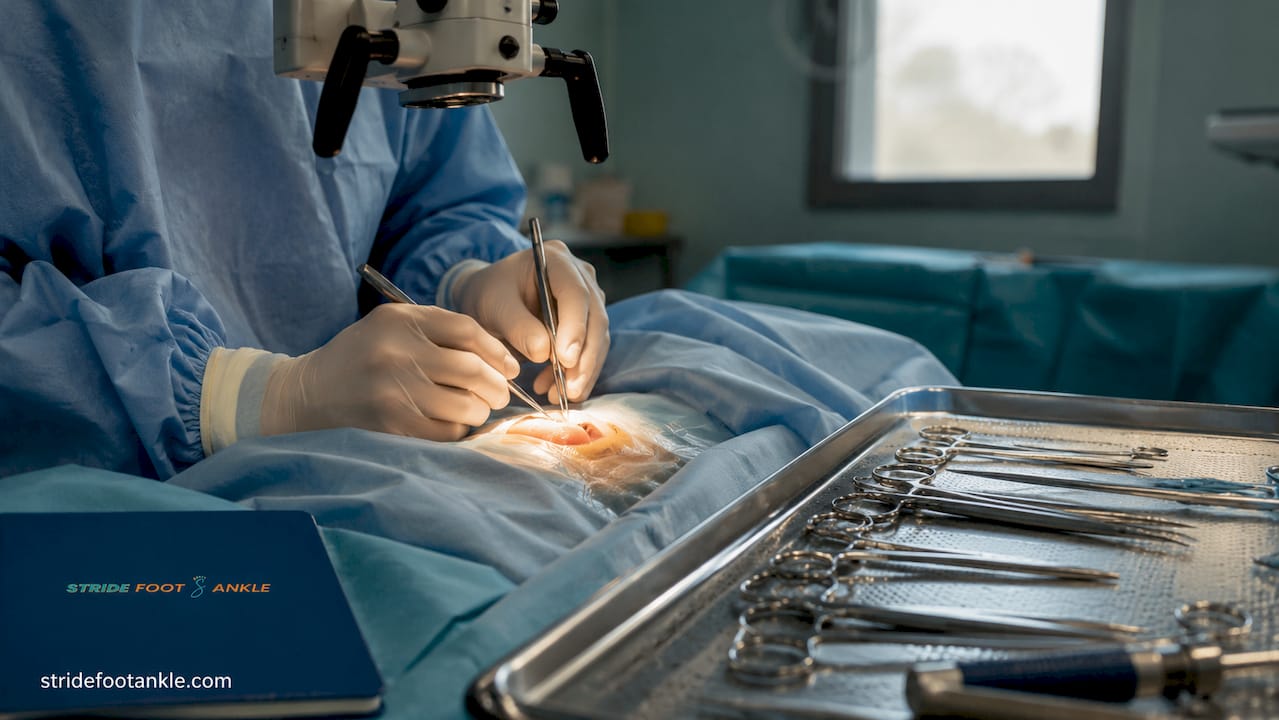
Surgery becomes necessary when a nerve is severed, severely compressed, or when conservative care fails after an adequate trial. Surgical options include decompression, nerve grafting, and nerve transfers. Decompression removes the source of pressure, such as scar tissue or a bone fragment, freeing the nerve to recover. Nerve grafting bridges a gap in a severed nerve using a donor nerve segment, typically harvested from a less critical sensory nerve in the leg. Nerve transfers redirect a functioning nerve branch to reinnervate a paralyzed muscle when the original nerve cannot be repaired.
Surgical timing is a critical factor. Reinnervation of muscles should ideally occur within about 18 months after nerve severance to prevent irreversible muscle atrophy. Waiting too long reduces the chance of meaningful recovery, even with technically successful surgery.
Pro Tip: Ask your surgeon specifically: “What is the window for surgery in my case?” Getting a clear timeline helps you make an informed decision rather than waiting indefinitely on conservative care that may not be enough.
What strategies help manage chronic nerve pain long-term?
Long-term management of nerve damage focuses on reducing chronic nerve pain, maintaining physical function, and addressing the underlying condition driving the nerve injury. Recovery is rarely linear. Axon regrowth proceeds at roughly 1 mm per day, which means a nerve injury in the foot can take months to a year or more to show meaningful improvement. Setting realistic expectations is part of good care.
Pain management strategies
Medications remain the backbone of chronic nerve pain control. Gabapentin, duloxetine, and amitriptyline each work through different pathways, so switching or combining them under medical guidance can improve results when one drug alone is insufficient. TENS units offer a drug-free option for daily symptom relief at home. For severe, refractory cases, pain management specialists may use nerve blocks or spinal cord stimulation.
Rehabilitation and mobility
Physical therapy preserves muscle strength and prevents the secondary joint stiffness that develops when patients avoid using a painful limb. Balance training is especially important for patients with sensory nerve damage in the feet, where loss of proprioception (the sense of where your foot is in space) increases fall risk. Assistive devices like custom orthotics, ankle-foot orthoses (AFOs), or properly fitted footwear reduce mechanical stress on damaged nerves during daily activity.
Managing the underlying condition
Controlling the root cause is the most effective long-term strategy. For diabetic patients, tight glycemic control slows the progression of peripheral neuropathy symptoms. For patients with autoimmune neuropathy, disease-modifying therapies reduce the immune attack on nerve tissue. Patients recovering from toxic neuropathy benefit most from removing the offending agent and supporting nerve repair with B vitamins, particularly B12 and B6.
Nutrition and nerve health
Vitamin B12 deficiency is a correctable and often overlooked cause of nerve deterioration. Alpha-lipoic acid, an antioxidant, has shown benefit in reducing symptoms of diabetic neuropathy in clinical studies. Avoiding excessive alcohol is non-negotiable, as alcohol is directly neurotoxic and counteracts any nerve repair effort.
- Maintain stable blood sugar if diabetic
- Take B12 supplements if deficient, confirmed by blood test
- Use custom orthotics to offload pressure from vulnerable nerve areas
- Practice balance exercises daily to compensate for sensory loss
- Schedule regular follow-up appointments to track nerve function over time
Key Takeaways
Effective nerve damage management requires accurate diagnosis, timely treatment, and consistent control of the underlying cause to prevent irreversible nerve loss.
| Point | Details |
|---|---|
| Symptoms vary by nerve type | Sensory, motor, and autonomic nerves each produce distinct symptoms when damaged. |
| Cause determines treatment | Diabetes, trauma, autoimmune disease, and toxins each require a different treatment approach. |
| Surgical timing is critical | Muscle reinnervation should occur within 18 months of nerve severance to avoid permanent atrophy. |
| Conservative care comes first | Physical therapy and medications like gabapentin are the first line for most nerve injuries. |
| Axon healing is slow | Nerve regrowth proceeds at about 1 mm per day, requiring months of consistent rehabilitation. |
What I have learned from watching nerve damage cases evolve
The single biggest mistake I see patients make is waiting too long before seeking evaluation. Nerve injuries are time-sensitive in a way that most musculoskeletal problems are not. A sprained ankle has a wide window for treatment. A severed nerve does not.
Microsurgical repair remains the standard for severe nerve injuries, but outcomes are genuinely inconsistent, especially for long-gap injuries or cases where repair is delayed. That inconsistency is driving real interest in regenerative medicine, including stem cell therapies and biophysical stimulation techniques. These are not science fiction. They are active areas of clinical research, and some patients in 2026 are already accessing them through specialized centers.
What I find equally important is the shift in how clinicians now think about nerve damage. The field has moved away from treating it as purely a traumatic problem. Metabolic and medication-related causes now account for a large share of cases, and a multidisciplinary approach, combining podiatry, neurology, endocrinology, and physical therapy, produces better outcomes than any single specialty working alone.
My honest view: patients who ask the most specific questions get the best care. Ask your doctor what classification your nerve injury falls into. Ask whether your window for surgery is still open. Ask what your nerve conduction study actually showed. Vague answers to specific questions are a signal to seek a second opinion.
— Ramil
Foot and ankle nerve care at Stridefootankle
Nerve damage in the foot and ankle is one of the most common and most underdiagnosed problems in podiatric care. Burning, numbness, or weakness in your feet deserves a thorough evaluation, not a wait-and-see approach.

At Stridefootankle, Dr. Nahad Wassel provides comprehensive foot and ankle care that includes diagnostic imaging, physical therapy coordination, and surgical intervention when conservative care is not enough. Whether your nerve symptoms stem from diabetes, a prior injury, or an undiagnosed compression, the practice offers personalized evaluation and a clear treatment plan. Las Vegas patients can request an appointment online and get answers without delay. Your feet carry you through every day. They deserve expert attention.
FAQ
What is the difference between nerve damage and neuropathy?
Nerve damage is the broad term for any injury or dysfunction of a nerve. Peripheral neuropathy is the clinical term for nerve damage affecting the peripheral nervous system, which includes all nerves outside the brain and spinal cord.
Can nerve damage heal on its own?
Mild nerve injuries, classified as neuropraxia, often recover spontaneously within weeks. More severe injuries involving axon disruption require months of recovery, since axon regrowth proceeds at about 1 mm per day. Complete nerve severance rarely heals without surgical intervention.
How long does nerve damage take to heal?
Recovery time depends on injury severity and location. Myelin sheath damage repaired by Schwann cells typically resolves in 6–12 weeks. Axonal injuries requiring regrowth can take 6–18 months or longer, depending on the distance the nerve must regenerate.
What medications treat nerve pain most effectively?
Gabapentin, pregabalin, duloxetine, and amitriptyline are the most widely used medications for chronic nerve pain. Each works through a different mechanism, and a physician may combine them for patients who do not respond to a single agent.
When should I see a specialist for nerve damage symptoms?
See a specialist if you have numbness, tingling, burning, or weakness that lasts more than a few weeks, worsens over time, or affects your ability to walk or use your hands. Early evaluation with nerve conduction studies can catch treatable injuries before the window for full recovery closes.
Recent Comments