

TL;DR:
- Ulcers are open sores on the stomach or small intestine caused mainly by Helicobacter pylori and NSAID use. Early diagnosis and completing treatment, including eradication testing, prevent serious complications and recurrence. Proper medical care involves specific tests, full medication courses, lifestyle adjustments, and follow-up assessments.
Ulcers are open sores that form on the lining of the stomach or upper small intestine, causing pain, bleeding, and serious complications when left untreated. The two main types are gastric ulcers (in the stomach) and duodenal ulcers (in the first section of the small intestine), together called peptic ulcers. 80–90% of gastric ulcers are caused by Helicobacter pylori infection or regular NSAID use. Recognizing ulcer symptoms early and getting the right diagnosis can prevent life-threatening outcomes.
What causes ulcers and why most people get them wrong
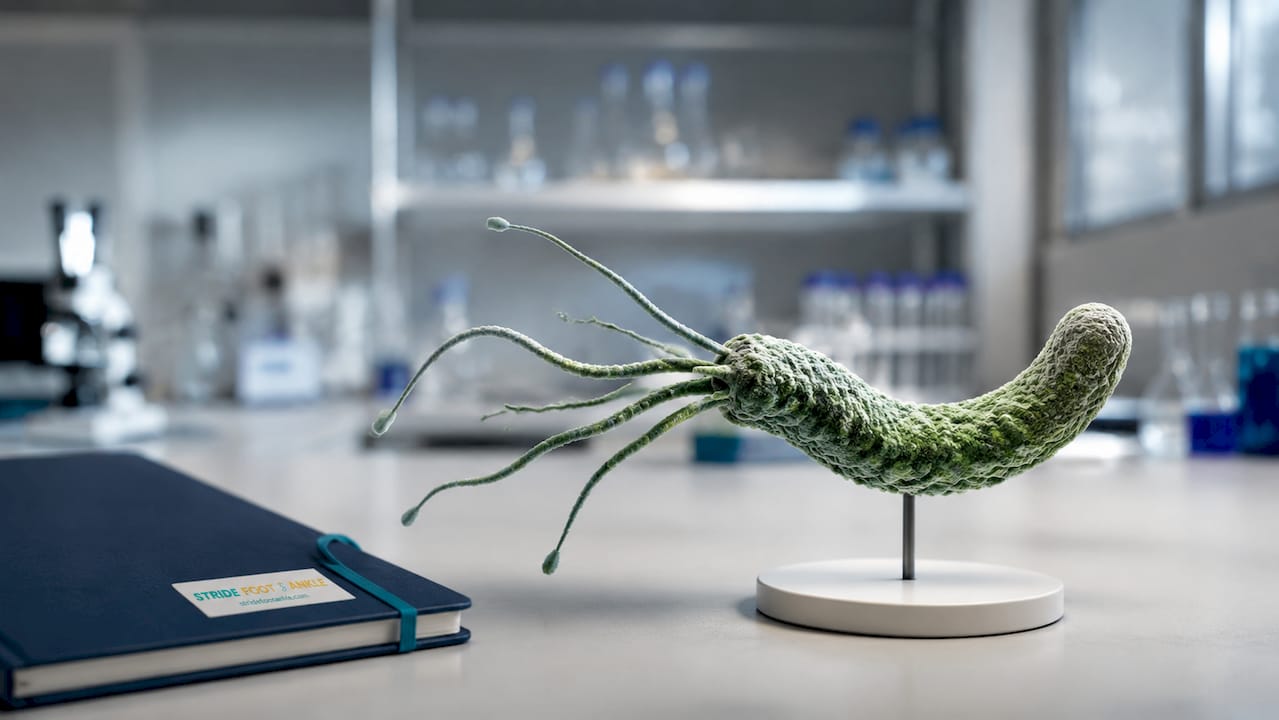
The primary cause of most peptic ulcers is Helicobacter pylori, a spiral-shaped bacterium that burrows into the stomach’s protective mucus lining. Once H. pylori weakens that lining, stomach acid reaches the tissue underneath and creates an open sore. The infection spreads through contaminated food, water, and close contact, making it one of the most common bacterial infections worldwide.
The second major cause is regular use of nonsteroidal anti-inflammatory drugs, commonly called NSAIDs. This category includes ibuprofen, naproxen, and aspirin. NSAID users face a four-fold higher risk of developing a gastric ulcer compared to non-users. The reason goes beyond the well-known prostaglandin effect. NSAIDs are weak acids that directly injure stomach epithelial cells on contact, increasing the permeability of the stomach wall and accelerating ulcer formation.
Less common causes include heavy smoking, chronic alcohol use, and rare conditions such as Zollinger-Ellison syndrome, where tumors trigger excessive acid production. These factors alone rarely cause ulcers but can worsen an existing one significantly.
A widely held belief is that stress and spicy food cause ulcers. Stress and spicy food can aggravate symptoms but are not primary causes. That distinction matters because patients who blame lifestyle factors alone often delay seeking care for the actual infection or medication driving their condition.
- H. pylori infection: The leading cause, damaging the stomach’s protective mucus layer
- NSAID use: Ibuprofen, naproxen, and aspirin carry the highest risk with regular use
- Smoking: Slows healing and increases acid secretion
- Alcohol: Irritates the stomach lining and worsens existing damage
- Zollinger-Ellison syndrome: A rare tumor condition causing extreme acid overproduction
Pro Tip: If you take NSAIDs regularly for arthritis or chronic pain, ask your doctor about adding a proton pump inhibitor (PPI) to protect your stomach lining. This single step significantly lowers your ulcer risk.
What are the symptoms of an ulcer?
The most common ulcer symptom is a burning or gnawing pain in the upper abdomen, typically between the breastbone and navel. The pain often appears between meals or during the night when the stomach is empty and acid has nothing to neutralize. Eating or taking antacids can temporarily relieve it, which is why many patients dismiss the symptom for months.
Beyond pain, peptic ulcers produce a range of digestive complaints:
- Nausea and occasional vomiting
- Bloating or a feeling of fullness after small meals
- Poor appetite and unintentional weight loss
- Heartburn or acid reflux sensations
- Burping more than usual
Some ulcers produce no symptoms at all. This is especially common in older adults and in patients who take NSAIDs regularly, since these drugs also suppress pain signals. Silent ulcers are discovered only when a complication develops, which is why routine screening matters for high-risk groups.
Certain symptoms require urgent medical evaluation. Alarm symptoms include vomiting, black or tarry stools, and unexplained weight loss, particularly in patients over 50. Black stools signal bleeding in the upper digestive tract, a potentially life-threatening complication. Vomiting blood or material that looks like coffee grounds is a medical emergency. Do not wait for a scheduled appointment if any of these signs appear.
How are ulcers diagnosed and treated?
Diagnosis starts with a clinical evaluation of your symptoms, medical history, and current medications. From there, doctors use specific tests to confirm the diagnosis and identify the cause.
Diagnostic methods
- Upper endoscopy (gastroscopy): A thin, flexible camera is passed through the mouth to visualize the stomach and duodenum directly. This is the most accurate method and allows biopsy collection.
- H. pylori breath test: You swallow a urea solution; if H. pylori is present, it breaks down the urea and releases detectable carbon dioxide in your breath.
- Stool antigen test: A lab analyzes a stool sample for H. pylori proteins. It is non-invasive and reliable for both initial diagnosis and post-treatment confirmation.
- Biopsy during endoscopy: Tissue samples taken during endoscopy can confirm H. pylori infection and, critically, rule out stomach cancer. Biopsy during endoscopy is especially important for patients aged 50 and older with gastric ulcers.
Treatment protocols
Standard treatment requires 8 weeks of twice-daily proton pump inhibitors (PPIs) such as omeprazole or pantoprazole. PPIs reduce acid production, allowing the ulcer to heal. Eight weeks is the clinical benchmark, not a rough estimate. Stopping early because symptoms improve is one of the most common mistakes patients make.
When H. pylori is confirmed, antibiotic therapy is added to the PPI regimen. H. pylori eradication requires multiple antibiotics combined with a PPI, typically in a 10 to 14 day course. Common combinations include clarithromycin with amoxicillin, or metronidazole when penicillin allergy is present.
| Treatment scenario | Approach | Duration |
|---|---|---|
| H. pylori positive ulcer | PPI + two antibiotics (triple therapy) | 10–14 days antibiotics, 8 weeks PPI |
| NSAID-induced ulcer | Stop or reduce NSAID, start PPI | 4–8 weeks PPI |
| NSAID-induced with H. pylori | Eradication therapy + PPI | 10–14 days antibiotics, 8 weeks PPI |
| Complicated ulcer (bleeding) | Endoscopic intervention + IV PPI | Hospital-based, varies |
| Refractory or malignant ulcer | Surgical evaluation | Case-dependent |
For NSAID-induced ulcers, the first step is stopping or reducing the NSAID if medically possible. Patients who cannot stop NSAIDs due to conditions like rheumatoid arthritis should switch to a COX-2 selective inhibitor under physician guidance and continue PPI therapy long-term.
Surgical intervention is rare but necessary when an ulcer perforates the stomach wall, causes uncontrolled bleeding, or blocks the digestive tract. Surgery is a last resort, not a first-line option.
Pro Tip: After completing antibiotic therapy for H. pylori, always request a follow-up breath test or stool antigen test at least four weeks after finishing antibiotics. Symptom relief does not confirm eradication.
What complications can ulcers cause, and how do you prevent recurrence?
Untreated or poorly managed ulcers progress to serious complications. Understanding these risks is the clearest motivation for completing treatment fully and following up with your doctor.
Complications to know
- Bleeding: The most common complication. Blood loss can be slow and hidden (causing anemia) or sudden and severe (requiring emergency endoscopy).
- Perforation: The ulcer burns through the stomach or intestinal wall, spilling contents into the abdominal cavity. This is a surgical emergency.
- Gastric outlet obstruction: Scarring from repeated ulcers narrows the passage between the stomach and small intestine, causing persistent vomiting and weight loss.
- Malignancy: Gastric ulcers in patients over 50 require biopsy to exclude stomach cancer, since the two conditions can look similar on imaging.
Prevention and lifestyle adjustments
Failure to confirm H. pylori eradication after treatment is a leading cause of persistent ulcers and serious complications, including gastric lymphoma. Confirmation testing is not optional. It is the step that closes the treatment loop.
| Preventive action | Why it matters |
|---|---|
| Confirm H. pylori eradication | Prevents recurrence and reduces cancer risk |
| Avoid unnecessary NSAIDs | Removes the second leading cause of ulcers |
| Quit smoking | Slows healing and raises recurrence risk |
| Limit alcohol | Irritates the stomach lining and delays recovery |
| Follow up endoscopy | Required for gastric ulcers to confirm healing |
Ulcer diet recommendations focus on what to avoid rather than what to eat. Caffeine, alcohol, and carbonated drinks increase acid production and slow healing. Eating smaller, more frequent meals reduces the time the stomach sits empty and exposed to acid. No specific food cures an ulcer, but consistent meal timing supports the healing process.
Stress reduction also plays a supporting role. While stress does not cause ulcers, it raises cortisol levels that can increase acid secretion and reduce immune response. Techniques like structured sleep, moderate exercise, and mindfulness can help your body heal faster alongside medical treatment.
Patients with gastric ulcers should have a repeat endoscopy after completing treatment to confirm the ulcer has healed. This is especially true for patients over 50, where ruling out malignancy is a clinical priority, not just a precaution.
Key takeaways
Peptic ulcers are primarily caused by H. pylori infection or NSAID use, and successful treatment requires completing the full antibiotic and PPI regimen followed by confirmed eradication testing.
| Point | Details |
|---|---|
| Primary causes | H. pylori and NSAIDs account for 80–90% of gastric ulcers. |
| Alarm symptoms | Black stools, vomiting blood, and weight loss require urgent evaluation. |
| Standard treatment | Eight weeks of twice-daily PPIs is the clinical benchmark for ulcer healing. |
| Eradication confirmation | Follow-up breath or stool testing after antibiotics is required, not optional. |
| Prevention | Avoiding NSAIDs, quitting smoking, and confirming H. pylori clearance prevent recurrence. |
What I’ve learned about ulcer management that most patients find out too late
I have seen a consistent pattern in how people handle ulcer symptoms. They manage the pain with over-the-counter antacids for weeks or months, feel some relief, and conclude the problem is solved. Antacids neutralize acid temporarily. They do not treat H. pylori, and they do not stop NSAID-related damage. By the time a patient seeks proper diagnosis, the ulcer has often progressed.
The second pattern I see is stopping antibiotics early. Patients feel better after five or six days of triple therapy and assume the infection is gone. H. pylori is a resilient bacterium. Incomplete courses create antibiotic-resistant strains that are significantly harder to treat on the second attempt. Completing the full course is not a suggestion.
The third and most underappreciated mistake is skipping the confirmation test. Multi-drug antibiotic regimens combined with PPIs improve eradication success, but no regimen works 100% of the time. A breath test or stool antigen test four weeks after finishing antibiotics tells you whether the treatment worked. Without it, you are assuming success rather than confirming it.
If you take NSAIDs regularly, have a conversation with your prescribing physician before symptoms appear. There are protective strategies available, and the time to use them is before an ulcer forms. Patients who learn to prevent foot ulcers and other wound complications understand this principle well: prevention is always less complicated than treatment.
— Ramil
Foot ulcers and the specialist care that makes a difference
Peptic ulcers affect the digestive tract, but ulcers also develop on the skin, particularly on the feet. Foot ulcers are open wounds that form most often in patients with diabetes, poor circulation, or nerve damage. They are a leading cause of lower limb complications and require specialized wound care to heal properly.

Stridefootankle, led by Dr. Nahad Wassel in Las Vegas, provides expert care for patients at risk of or currently managing foot ulcers. From early prevention strategies to advanced wound care treatment, the practice offers personalized, evidence-based care designed to protect your feet and keep you moving. If you have diabetes, circulation concerns, or a non-healing wound, scheduling an evaluation with a specialist is the right next step. Visit Stridefootankle’s foot and ankle care page to learn more about available services and request an appointment.
FAQ
What is the most common cause of stomach ulcers?
Helicobacter pylori infection is the most common cause, responsible for the majority of peptic ulcers. Regular NSAID use is the second leading cause, and together these two factors account for 80–90% of cases.
Can stress or spicy food cause an ulcer?
No. Stress and spicy food can worsen existing symptoms but are not primary causes of ulcer formation. H. pylori infection and NSAIDs are the actual drivers.
How long does it take for an ulcer to heal?
Most ulcers heal within 8 weeks with proper PPI therapy. H. pylori-related ulcers require antibiotic eradication therapy first, followed by a confirmation test to verify the infection is gone.
What are the warning signs that an ulcer is serious?
Black or tarry stools, vomiting blood, and sudden severe abdominal pain are medical emergencies. These alarm symptoms require immediate evaluation, especially in patients over 50.
Do I need an endoscopy to diagnose an ulcer?
Not always. H. pylori breath tests and stool antigen tests can confirm infection without endoscopy. However, endoscopy is recommended when alarm symptoms are present or when a gastric ulcer needs biopsy to rule out malignancy.
Recommended
- Warts: Causes, Types, Treatment, and Prevention – Stride Foot & Ankle – Dr. Nahad Wassel
- Wounds: Types, Healing Stages, and Treatment Guide – Stride Foot & Ankle – Dr. Nahad Wassel
- Ingrowing Toenails: Causes, Relief, and Treatment – Stride Foot & Ankle – Dr. Nahad Wassel
- Foot Pain: Causes, Symptoms, and Treatment Options – Stride Foot & Ankle – Dr. Nahad Wassel
Recent Comments