

TL;DR:
- Gangrene is tissue death caused by loss of blood flow or bacterial infection, most often affecting extremities. Early signs include skin discoloration, swelling, and pain, necessitating immediate medical attention to prevent rapid spread and life-threatening complications. Treatment primarily involves surgery to remove dead tissue, along with antibiotics and supportive therapies, especially for high-risk individuals like diabetics.
Gangrene is defined as the death of body tissue caused by a loss of blood supply, severe bacterial infection, or both. It most often affects the toes, feet, fingers, and limbs, though internal organs can also be involved. Patients with diabetes, peripheral artery disease, atherosclerosis, or a long history of smoking face the highest risk. Without prompt medical care, tissue death spreads rapidly and can become life-threatening. Recognizing the early warning signs and understanding your treatment options gives you the best chance of a full recovery.
What are the common types of gangrene?
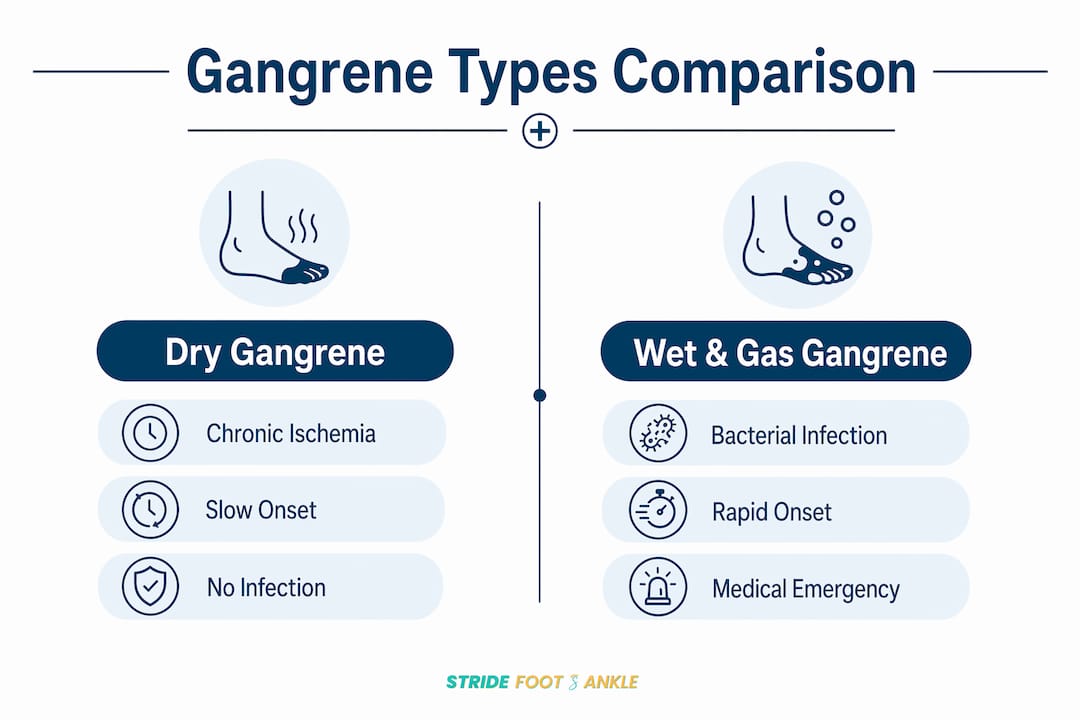
Gangrene is classified primarily as dry, wet, or gas, with a fourth category covering internal organs. Each type has a distinct cause, speed of progression, and level of urgency. Knowing the difference helps you and your care team act at the right speed.
Dry gangrene
Dry gangrene develops slowly. It results from chronic ischemia, meaning tissues are gradually starved of oxygen-rich blood. The skin turns brown, then black, and the affected area shrivels. There is no bacterial infection in the early stage, so the smell is minimal and the spread is slow. Dry gangrene can autoamputate along a natural line of demarcation, but surgical removal is strongly preferred because leaving dead tissue in place raises the risk of secondary infection.
Wet gangrene
Wet gangrene is a medical emergency. Bacteria invade the tissue, causing rapid decay, swelling, and a foul odor. The skin turns from red to purple to black within hours to days. Wet gangrene spreads rapidly and can trigger sepsis, a life-threatening whole-body infection response. Immediate hospitalization and surgery are non-negotiable.
Gas gangrene
Gas gangrene is rare but extremely dangerous. It is caused by Clostridium bacteria, which produce gas inside muscle tissue. You may feel a crackling sensation under the skin. This type progresses faster than wet gangrene and carries a high mortality rate without emergency surgery.
Internal gangrene
Internal gangrene affects organs such as the intestines or gallbladder. It often develops as a complication of a hernia that traps and cuts off blood flow to a section of bowel. There are no visible skin changes in the early stages, which makes it harder to detect. Fever, severe abdominal pain, and systemic illness are the primary warning signs.
Pro Tip: If you notice skin that is turning dark, feels numb, or smells unusual on any part of your foot or limb, go to an emergency room the same day. Do not wait for a scheduled appointment.
Comparison of gangrene types
| Type | Primary cause | Speed of onset | Infection present | Urgency level |
|---|---|---|---|---|
| Dry | Chronic ischemia | Slow | No | High |
| Wet | Bacterial infection | Rapid | Yes | Emergency |
| Gas | Clostridium bacteria | Very rapid | Yes | Emergency |
| Internal | Organ blood loss | Variable | Sometimes | Emergency |
What are the symptoms of gangrene in feet and limbs?
The earliest symptoms of gangrene are skin color changes, swelling, and pain or a sudden loss of sensation in the affected area. These signs appear before tissue death becomes irreversible, which is why catching them early matters so much clinically. The specific pattern of symptoms varies by type, but several red flags apply across all forms.
Skin and tissue warning signs
Skin discoloration follows a predictable pattern. The area first turns red or pale, then progresses to purple, blue, or eventually black as tissue dies completely. Blisters filled with fluid or pus often appear in wet and gas gangrene. A foul, sweet, or rotten smell from an open wound is a strong indicator of bacterial involvement.
Pain behavior is also telling. Dry gangrene often causes severe pain early, followed by numbness as nerves die. Wet gangrene produces intense, throbbing pain alongside swelling. Gas gangrene causes pain that feels disproportionately severe compared to the visible wound size. Internal gangrene produces deep abdominal or organ pain without any skin changes.
Systemic warning signs
When infection spreads beyond the local tissue, the body responds systemically. Fever, rapid heart rate, low blood pressure, and confusion are signs that sepsis may be developing. These systemic signs indicate the infection has entered the bloodstream. At that point, every hour without treatment increases the risk of organ failure and death.
Pro Tip: Patients with diabetes often have reduced sensation in their feet due to neuropathy. Check your feet visually every single day, because you may not feel pain even when tissue damage is already underway.
Red flags that require same-day emergency care
- Skin turning black or dark purple on any toe, foot, or limb
- A wound that smells foul or produces discolored pus
- Sudden numbness or cold sensation in a foot or hand
- Crackling or bubbling feeling under the skin near a wound
- Fever above 101°F combined with a visible wound or skin change
- Rapid swelling around a wound that is not improving
Consistent daily foot care is one of the most reliable ways to catch these changes before they escalate.
What are the current treatment options for gangrene?
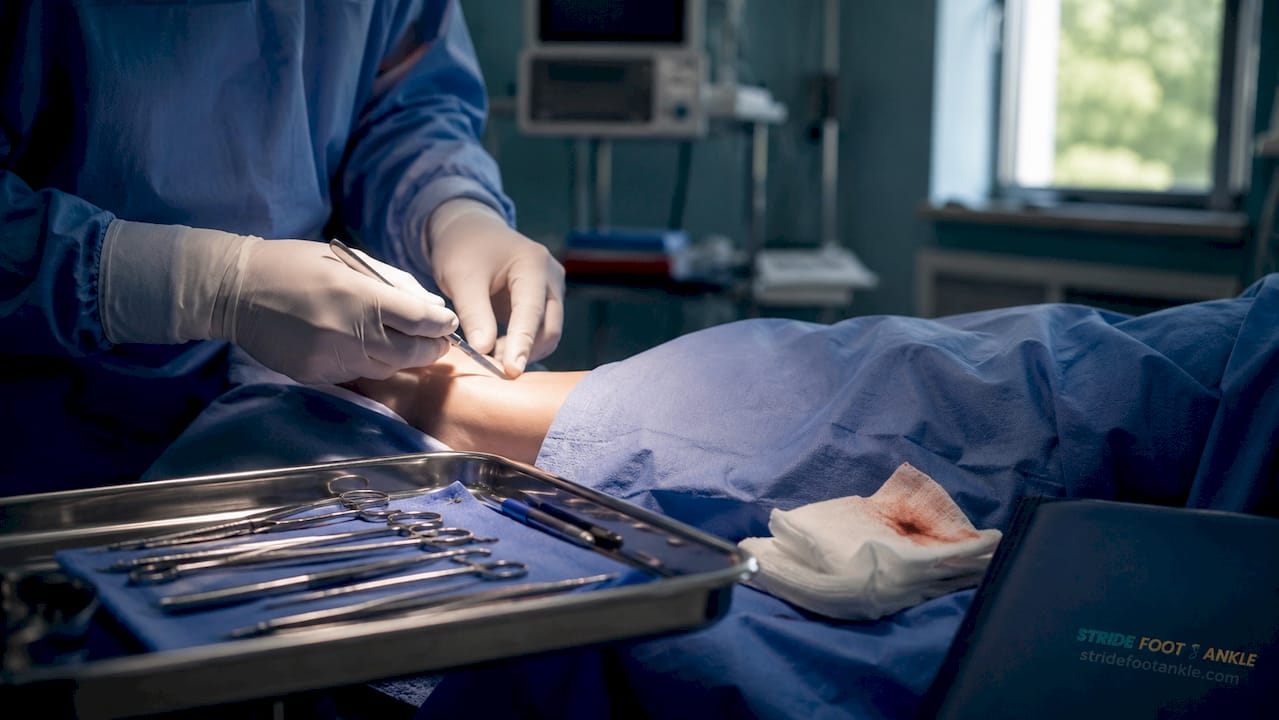
Gangrene treatment requires surgery in nearly every case because antibiotics alone cannot penetrate dead tissue. The goal is to remove all non-viable tissue, control infection, restore blood flow where possible, and support wound healing. The specific approach depends on the type of gangrene, how far it has spread, and the patient’s overall health.
Surgical debridement and amputation
Surgical debridement is the removal of dead and infected tissue. For necrotizing infections, initial debridement must be aggressive, cutting back until no tissue planes separate easily. Serial debridement every 1–2 days is standard practice until the infection is fully controlled. Insufficient initial surgery is one of the most common and most dangerous errors in managing these infections.
When tissue loss is too extensive to preserve the limb or digit, amputation becomes necessary. The goal of amputation is to remove all infected and dead tissue at a level where blood supply is adequate for healing. Patients who receive prompt amputation often recover faster than those who undergo repeated failed attempts to save unsalvageable tissue.
Intravenous antibiotics
Intravenous antibiotics are started immediately alongside surgery. They target the bacteria driving the infection and prevent spread to surrounding healthy tissue and the bloodstream. Antibiotics alone are never sufficient as a standalone treatment. They work in combination with surgical removal of the dead tissue that bacteria are colonizing.
Hyperbaric oxygen therapy
Hyperbaric oxygen therapy (HBO) delivers 100% oxygen at elevated atmospheric pressure. It increases oxygen delivery to tissues surrounding the wound, which supports healing and inhibits certain anaerobic bacteria, including Clostridium species responsible for gas gangrene. HBO is used as an adjunct, not a replacement for surgery.
Negative-pressure wound therapy
Negative-pressure wound therapy, also called VAC therapy, is applied between surgical procedures. It uses a sealed dressing connected to a vacuum pump to remove fluid, reduce swelling, and promote healthy tissue growth. VAC therapy is particularly useful in managing large wounds after debridement.
Detailed guidance on post-surgical wound care is available for patients navigating recovery after these procedures.
Treatment summary by gangrene type
| Type | Primary treatment | Antibiotic role | Adjunct therapy |
|---|---|---|---|
| Dry | Surgical removal or amputation | Low priority | Vascular restoration |
| Wet | Emergency debridement or amputation | High priority | HBO, VAC therapy |
| Gas | Emergency surgery, wide excision | High priority | HBO |
| Internal | Emergency organ surgery | High priority | ICU support |
Who is at highest risk, and how can gangrene be prevented?
The highest-risk individuals include diabetics, people with peripheral artery disease, atherosclerosis, and long-term smokers. These conditions share a common mechanism: they restrict oxygen-rich blood flow to the extremities over time. When tissues are chronically underperfused, even a small wound can fail to heal and progress to tissue death.
Why diabetes raises the risk so sharply
Diabetes damages both blood vessels and nerves. Reduced circulation means wounds heal slowly. Neuropathy means patients often do not feel injuries as they occur. A blister from a poorly fitting shoe, a small cut, or an ingrown toenail can go unnoticed for days. By the time it is visible or painful, infection may already be established. Preventing foot ulcers through consistent monitoring is the single most effective strategy for diabetic patients.
Vascular ultrasound is a valuable diagnostic tool for patients with diabetes or peripheral artery disease. It identifies blood flow restrictions before tissue damage occurs, giving physicians the opportunity to intervene early. Vascular ultrasound in diagnosis plays a direct role in catching the circulatory problems that lead to gangrene.
Preventive strategies for high-risk patients
Smoking cessation, regular foot exams, and a healthy lifestyle are the three most consistently supported preventive measures for at-risk groups. Each one addresses a specific mechanism that drives tissue necrosis.
- Inspect your feet daily. Look for cuts, blisters, redness, swelling, or color changes. Use a mirror for the soles if needed.
- Control blood sugar tightly. Elevated glucose accelerates vascular damage and impairs immune response.
- Quit smoking. Smoking constricts blood vessels directly and accelerates atherosclerosis.
- Wear properly fitted footwear. Pressure points from ill-fitting shoes are a leading cause of diabetic foot ulcers.
- Treat wounds immediately. Clean any cut or blister the same day. Cover it and monitor for signs of infection.
- Schedule regular podiatry checkups. A podiatrist can identify circulation problems, nerve damage, and wound risks before they become emergencies.
- Manage underlying conditions. Control blood pressure, cholesterol, and blood sugar through medication and lifestyle changes.
- Stay physically active. Walking and low-impact exercise improve peripheral circulation in patients with early vascular disease.
Elderly patients face compounded risks from reduced mobility, thinner skin, and slower healing. Targeted foot care for elderly patients addresses these specific vulnerabilities with practical, age-appropriate strategies.
Key takeaways
Gangrene requires immediate surgical intervention because antibiotics alone cannot treat dead tissue, and delayed surgery is the most common cause of preventable limb loss.
| Point | Details |
|---|---|
| Surgery is non-negotiable | Antibiotics cannot reach ischemic tissue; debridement or amputation is always required. |
| Wet and gas types are emergencies | Both spread within hours and can cause sepsis; same-day hospitalization is critical. |
| Diabetes multiplies risk | Neuropathy masks pain and poor circulation slows healing, making daily foot checks essential. |
| Early symptoms are visible | Skin color changes, foul odor, and numbness are detectable before tissue death becomes irreversible. |
| Prevention is achievable | Smoking cessation, blood sugar control, and regular podiatry visits reduce risk significantly. |
What I have learned treating patients at the edge of limb loss
The hardest conversations I have with patients are the ones that did not need to happen. A patient comes in with a blackened toe, a wound that has been “a little sore” for two weeks, and a blood sugar that has been running high for months. The tissue is already dead. The window for saving the toe, or sometimes the foot, has closed.
What I have seen repeatedly is that the delay is almost never about access to care. It is about not recognizing that the situation was urgent. Patients assume a wound that does not hurt much cannot be serious. In diabetic neuropathy, that assumption is exactly backwards. The absence of pain is a warning sign, not reassurance.
The other pattern I see is over-reliance on oral antibiotics prescribed at urgent care. Antibiotics have a role, but insufficient surgical debridement is the primary driver of poor outcomes in necrotizing infections. A course of antibiotics without addressing the dead tissue is like painting over mold. The underlying problem keeps growing.
My practical advice is simple. If you have diabetes, peripheral artery disease, or you smoke, treat every foot wound as a potential emergency until a qualified clinician tells you otherwise. Do not wait 48 hours to see if it improves. Get it evaluated the same day. The cost of a single podiatry visit is nothing compared to the cost of an amputation, physically, financially, and emotionally.
— Ramil
Foot and ankle care at Stridefootankle
Patients dealing with foot wounds, circulation concerns, or diabetes-related foot complications deserve expert evaluation, not a wait-and-see approach.

At Stridefootankle, Dr. Nahad Wassel provides comprehensive foot and ankle care for patients across Las Vegas, including advanced wound assessment, diagnostic imaging, and both surgical and conservative treatment options. Whether you are managing an active wound, monitoring a chronic condition, or trying to stay ahead of complications, the practice offers personalized care built around your specific situation. Scheduling is straightforward, and the team is experienced in managing the complex foot health issues that put patients at risk for serious infections. Reach out to Stridefootankle to get a clear picture of where your foot health stands.
FAQ
What is gangrene and what causes it?
Gangrene is the death of body tissue caused by a loss of blood supply, bacterial infection, or both. The most common causes include diabetes, peripheral artery disease, atherosclerosis, and severe traumatic injury.
Can gangrene be cured?
Gangrene can be treated successfully when caught early. Treatment requires surgical removal of dead tissue, intravenous antibiotics, and sometimes amputation, but full recovery is possible with prompt intervention.
What does gangrene look like in its early stages?
Early gangrene appears as skin that turns red, pale, or purple, often accompanied by swelling, pain, or numbness. A foul smell from the affected area is a strong early indicator of bacterial involvement.
How does gangrene develop in people with diabetes?
Diabetes damages blood vessels and nerves simultaneously. Poor circulation slows wound healing, while neuropathy prevents patients from feeling injuries early, allowing small wounds to progress to infection and tissue death undetected.
How quickly does gangrene spread?
Dry gangrene spreads slowly over weeks. Wet and gas gangrene can spread within hours and become life-threatening within one to two days without emergency surgical treatment.
Recommended
- How to Prevent Foot Ulcers: a Guide for At-Risk Patients – Stride Foot & Ankle – Dr. Nahad Wassel
- Warts: Causes, Types, Treatment, and Prevention – Stride Foot & Ankle – Dr. Nahad Wassel
- Ingrowing Toenails: Causes, Relief, and Treatment – Stride Foot & Ankle – Dr. Nahad Wassel
- Flat Foot: Causes, Symptoms, and Treatment Options – Stride Foot & Ankle – Dr. Nahad Wassel
Recent Comments